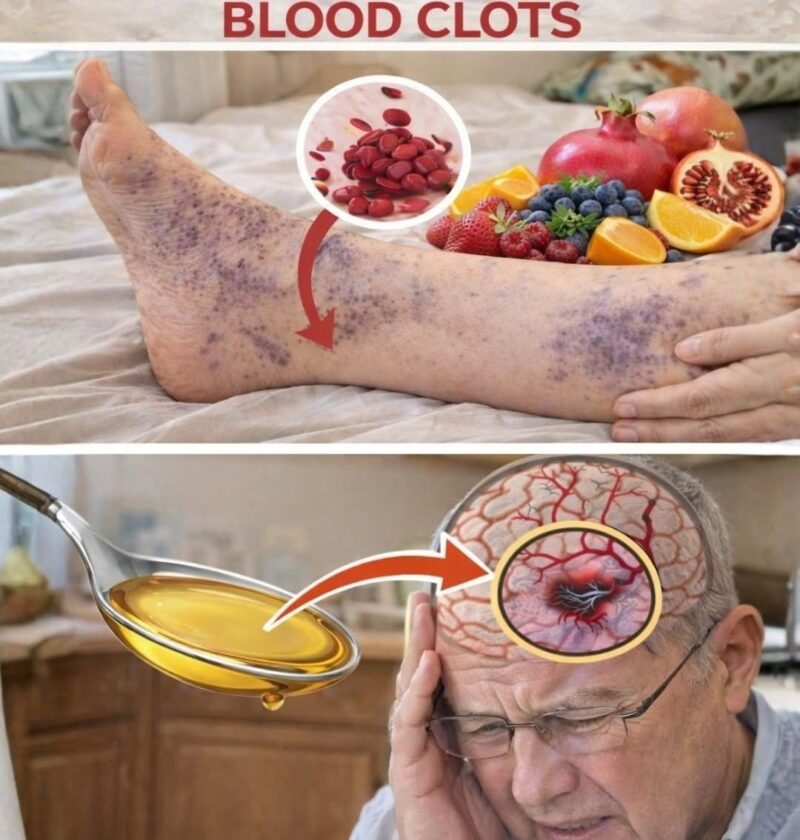
This headline is misleading in how it sounds medically precise.
No fruit can directly “manage blood clots” or replace medical prevention/treatment for conditions like deep vein thrombosis or stroke risk. Blood clot formation and breakdown are complex processes handled by the body and, when needed, medical treatment.
What some fruits can do is support cardiovascular health, circulation, and inflammation balance, which may indirectly support a healthier vascular system.
Here are 8 fruits commonly associated with those benefits:
1. Berries (blueberries, strawberries)
Rich in flavonoids and antioxidants that may support blood vessel health and reduce inflammation.
2. Oranges and other citrus fruits
High in vitamin C, which supports healthy blood vessels and collagen formation.
3. Grapes
Contain resveratrol and polyphenols that may support healthy circulation.
4. Pomegranate
Known for antioxidants that may help support blood flow and reduce oxidative stress.
5. Apples
Contain fiber and plant compounds that support heart health and cholesterol balance.
6. Kiwi
Provides vitamin C and potassium, which support vascular function.
7. Watermelon
Contains citrulline, which may support healthy blood flow and vessel relaxation.
8. Pineapple
Contains bromelain, an enzyme sometimes studied for its role in inflammation support (not a clot “breaker” in practical dietary amounts).
Important reality check
These fruits:
- Do not dissolve blood clots
- Do not replace anticoagulant medication
- Do not prevent stroke on their own
They simply contribute to an overall heart-healthy diet pattern, which may reduce risk factors over time.
When blood clots are serious
Conditions involving clotting risk are part of cardiovascular and hematologic health. If someone is concerned about clot risk, it relates to clinical care in fields like Cardiology and Hematology, not dietary “quick fixes.”
If you want, I can turn this into a science-based “what actually reduces clot risk” guide (diet, movement, hydration, medical factors) so you can separate real prevention from internet myths.