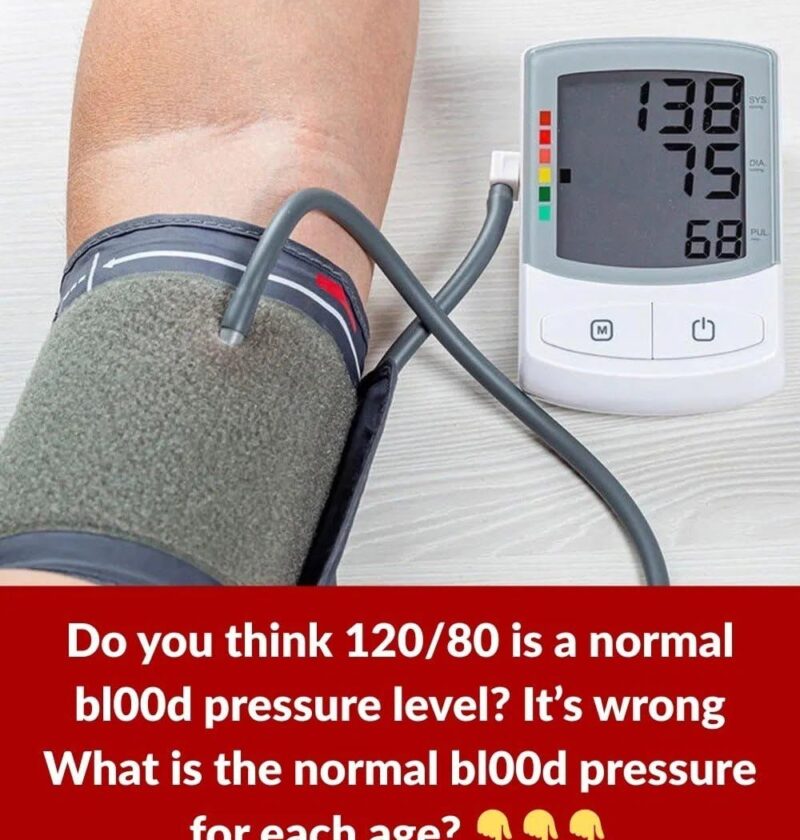
Blood pressure is measured as:
- Systolic (top number)
- Diastolic (bottom number)
It reflects the force of blood against artery walls.
Normal blood pressure (general medical guidelines)
🧒 Children
Normal ranges vary by height and age, but roughly:
- Around 90–110 / 50–70 mmHg
Doctors use growth charts rather than one fixed number.
🧑 Teenagers (13–18)
- About 100–120 / 60–80 mmHg
🧑 Adults (18–60)
A healthy range is generally:
- Less than 120 / 80 mmHg
This is considered optimal.
🧓 Older adults (60+)
- Still generally: below 120–130 / 80 mmHg
- Slightly higher readings may be seen due to natural artery stiffness, but “high blood pressure” is not considered normal aging.
When it becomes high blood pressure
Doctors diagnose hypertension when readings are consistently:
- 130/80 mmHg or higher
This condition is linked to higher risk of:
- Stroke
- Heart disease
- Kidney problems
When it becomes low blood pressure
Generally considered low if:
- Below 90/60 mmHg
But it only matters if it causes symptoms like dizziness or fainting.
Key misconception
There is no “safe higher blood pressure just because of age.” Many viral posts suggest older people should accept higher numbers, but medically:
Normal targets stay fairly consistent across adulthood.
Important takeaway
A healthy target for most people is:
👉 Around 120/80 mmHg or lower
And what matters most is:
- Consistency over time
- Symptoms (if any)
- Individual medical conditions
If you want, I can also show you a simple chart of blood pressure levels (normal, elevated, danger levels) so you can understand it at a glance.