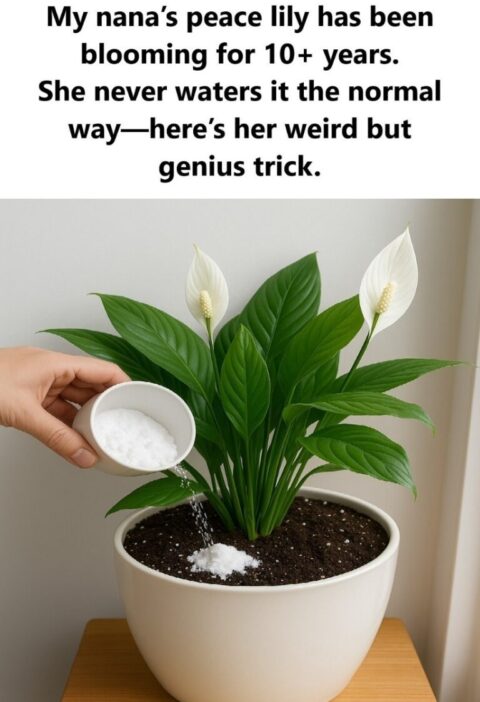
A peace lily is the common name for the plant Spathiphyllum (peace lily), a popular houseplant known for its dark green leaves and white, hood-like flowers.
🌿 Basic Care
- Light: Bright, indirect light is best. It tolerates lower light but may bloom less.
- Water: Keep the soil lightly moist. Water when the top inch (2–3 cm) of soil feels dry.
- Humidity: Prefers moderate to high humidity.
- Temperature: Generally thrives in normal indoor temperatures (about 18–27°C / 65–80°F).
🌼 How to Encourage Blooming
- Provide bright, indirect light.
- Fertilize lightly during the growing season (spring and summer).
- Avoid overwatering.
- Use a well-draining potting mix.
⚠️ Common Problems
- Yellow leaves: Often caused by overwatering.
- Brown leaf tips: Can result from dry air, inconsistent watering, or mineral buildup from tap water.
- No flowers: Usually due to insufficient light.
🐾 Pet Safety
Peace lilies are toxic to cats and dogs if chewed or eaten. They can cause mouth irritation, drooling, and difficulty swallowing.
🌱 Lifespan
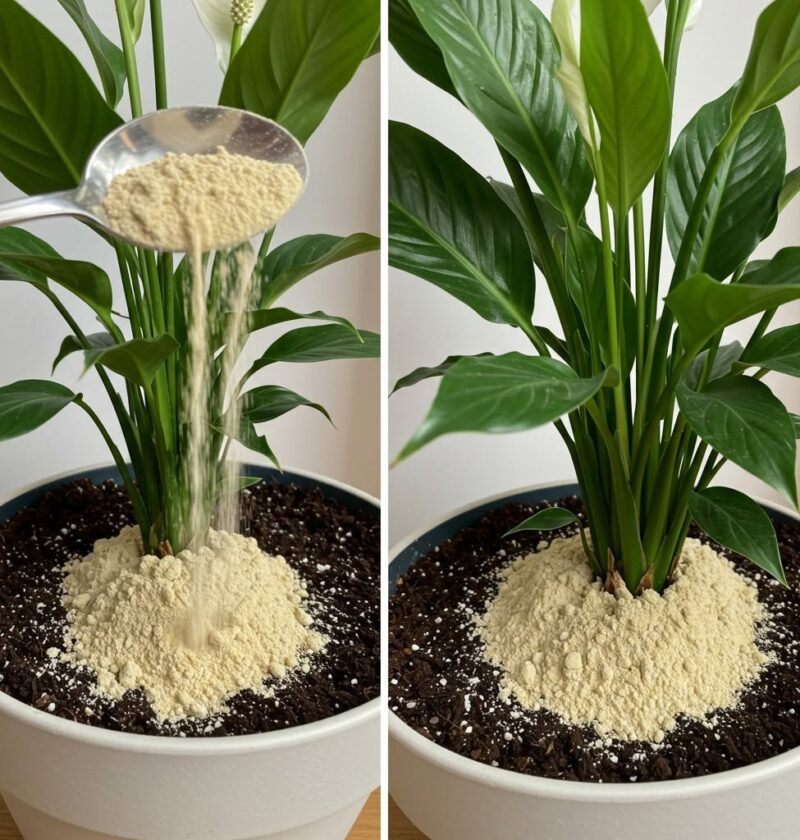
With proper care, a peace lily can live for many years and bloom repeatedly, but no fertilizer or “secret ingredient” will make it flower continuously for a decade without interruption.
If you have a specific question about your peace lily—such as yellow leaves, drooping, or lack of blooms—describe the problem an