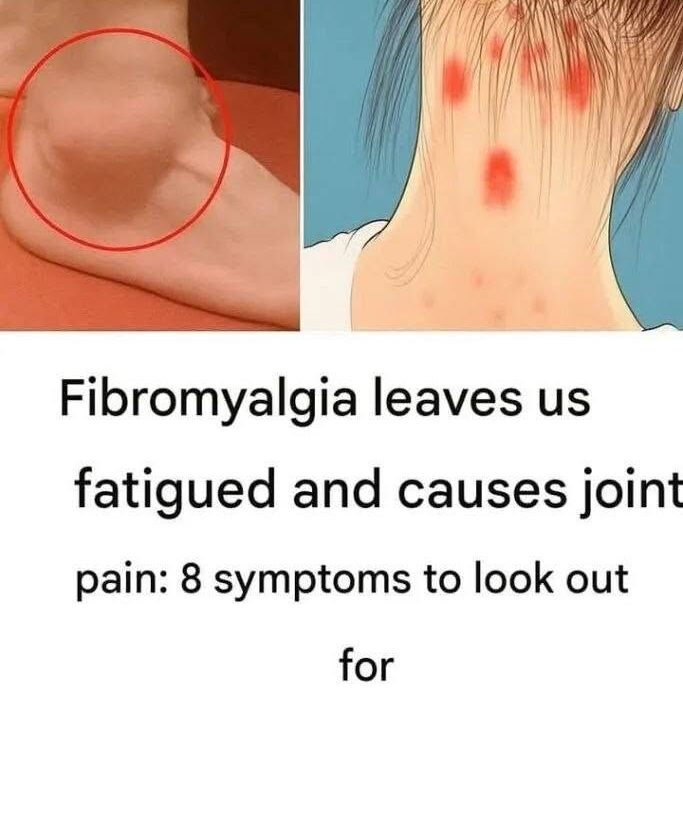
The condition it refers to is Fibromyalgia, a chronic disorder involving widespread pain, fatigue, sleep problems, and cognitive symptoms (“fibro fog”).
What fibromyalgia actually is (medical view)
Modern research shows fibromyalgia is mainly a central nervous system pain processing disorder:
- The brain and spinal cord become over-sensitive to pain signals
- Normal sensations can feel painful (“amplified pain response”)
- Sleep and stress systems are often disrupted
It is real, physical, and neurological, not imaginary or purely emotional.
Where the “unexpressed emotions” idea comes from
This comes from older psychosomatic theories suggesting that:
- Emotional stress
- Trauma
- Suppressed feelings
might “turn into” physical pain.
There is a partial connection, but it’s often misunderstood.
What science actually shows
Emotions do not cause fibromyalgia, but they can:
- Increase pain sensitivity
- Worsen fatigue and sleep quality
- Trigger symptom flare-ups
So the relationship is:
Emotional stress can influence symptoms — but it is not the root cause.
What is strongly linked to fibromyalgia
Research points to several interacting factors:
- Changes in pain processing in the brain and spinal cord
- Sleep disturbances
- Genetic vulnerability
- Physical or emotional stress as a trigger
- Sometimes infections or injuries before onset
Why the “emotional cause” idea is misleading
It can:
- Oversimplify a complex neurological condition
- Lead to stigma or self-blame
- Delay proper medical treatment
Fibromyalgia is not “imagined pain” or “repressed emotion disease.”
Better way to understand it
A more accurate description is:
Fibromyalgia is a disorder of pain regulation where biological, neurological, and stress-related factors interact.
Bottom line
Fibromyalgia is a real neurological pain processing disorder, not a disease caused by unexpressed emotions. Stress and emotions can influence symptoms, but they do not define or cause the condition.
If you want, I can explain what actually helps manage fibromyalgia symptoms (medications, lifestyle changes, and what works best according to evidence).