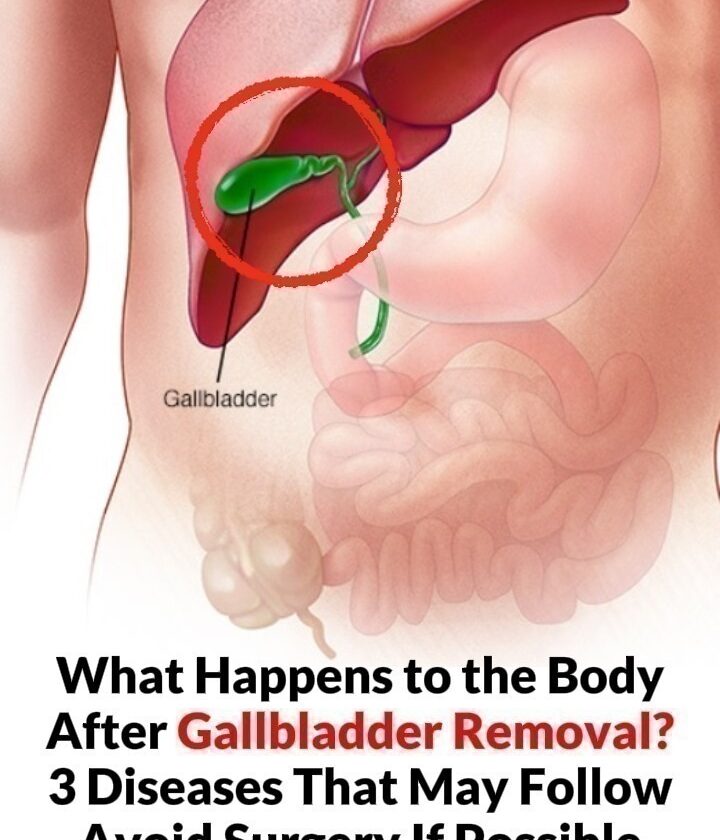
The idea that gallbladder removal should generally be avoided is misleading. In reality, **Gallstones and gallbladder inflammation are among the most common reasons for surgery worldwide, and for many people, removal via **Cholecystectomy is the safest and most effective treatment.
Most patients do not develop serious long-term problems after surgery. However, a small percentage can experience certain post-surgery effects. The key is understanding what is real risk versus exaggerated claims.
Here are the main conditions sometimes discussed after gallbladder removal:
1. Postcholecystectomy Syndrome
This is the most recognized issue and refers to persistent digestive symptoms after surgery.
It can include:
- Upper abdominal pain
- Bloating or indigestion
- Nausea or fatty food intolerance
- Diarrhea in some cases
Causes vary and may include leftover bile duct stones, altered bile flow, or unrelated digestive conditions that were present before surgery.
2. Bile Acid Diarrhea
Without a gallbladder, bile flows continuously into the intestine instead of being stored and released in controlled amounts.
In some people, this can lead to:
- Frequent loose stools
- Urgency after meals
- Irritation of the colon from excess bile acids
This condition is often treatable with medications that bind bile acids.
3. Sphincter of Oddi Dysfunction (rare)
The Sphincter of Oddi controls bile and pancreatic juice flow into the intestine. In a small number of patients, it may become overly tight or spasm after gallbladder removal.
Possible symptoms:
- Episodic upper abdominal pain
- Nausea
- Abnormal liver or pancreatic enzyme tests during attacks
This condition is uncommon and sometimes difficult to diagnose, but it is manageable in specialist care.
Important reality check
Despite online claims, there is no strong medical evidence that most people “should avoid gallbladder surgery when possible.” In fact, delaying surgery when it is needed can lead to serious complications such as:
- Gallbladder infection (cholecystitis)
- Pancreatitis
- Blocked bile ducts
- Emergency surgery under worse conditions
Bottom line
Gallbladder removal is generally safe and often life-improving for people with symptomatic gallstones. A small minority may develop ongoing digestive symptoms, but these are usually manageable.
If you want, I can explain:
- When surgery is truly necessary vs optional
- Natural ways to manage mild gallstone symptoms
- Recovery diet after gallbladder removal