1) Persistent pain or cramping (especially when walking)
If you get cramping in your calves or thighs during walking that improves with rest, it can suggest reduced blood flow to the legs, often linked to Peripheral artery disease.
Other causes include:
- Muscle overuse or dehydration
- Electrolyte imbalance
- Poor conditioning
Red flag: pain that consistently appears at a certain walking distance.
2) Swelling in one or both legs
Mild swelling after standing long hours can be normal, but persistent or sudden swelling may indicate:
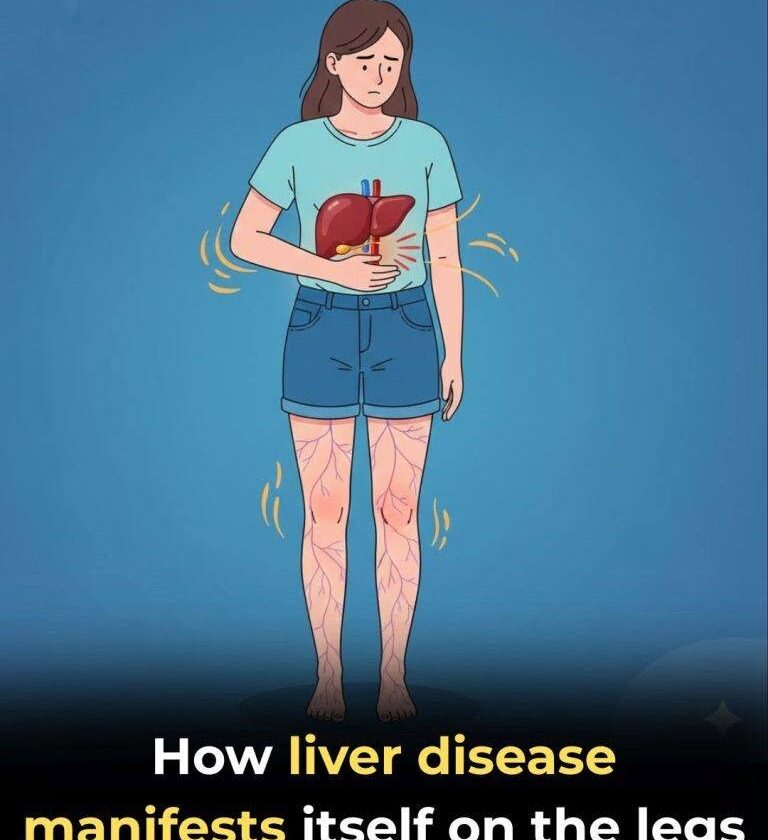
- Fluid retention (heart, kidney, or liver issues)
- Vein problems like Deep vein thrombosis (especially if one leg is swollen, warm, or painful)
Red flag: one-sided swelling with pain or redness.
3) Numbness, tingling, or “pins and needles”
This often points to nerve involvement, such as:
- Peripheral neuropathy (commonly from diabetes or vitamin deficiencies)
- Nerve compression from the spine or posture issues
Red flag: symptoms that are persistent or worsening over time.
4) Color or temperature changes in the legs/feet
Watch for:
- Pale, bluish, or darkened skin
- Cold feet compared to the rest of the body
These can suggest poor circulation, possibly related to Peripheral artery disease or vascular narrowing.
Red flag: one foot consistently colder or discolored.
5) Slow-healing wounds or sores
Cuts or blisters on the legs or feet that take a long time to heal may indicate:
- Poor blood flow
- Diabetes-related complications
- Infection risk
This is especially concerning in people with circulation issues or Peripheral neuropathy, because pain signals may be reduced.
🧠 When to take it seriously
Seek medical evaluation if you notice:
- Sudden one-leg swelling
- Severe pain or redness
- Weakness or inability to walk normally
- Persistent numbness or wounds that don’t heal
Bottom line
Leg symptoms often start subtly—mild cramping, tingling, or swelling—but they can reflect issues ranging from simple fatigue to circulation or nerve disorders. Paying attention early can prevent complications later.
If you want, I can also map these symptoms to common causes in younger vs older people, since the meaning changes a lot with age.