Here’s what it actually can do:
Possible benefits (when magnesium levels are low)
1. Supports muscle and nerve function
Magnesium helps muscles relax and nerves function properly. If you’re deficient, it may reduce:
- Muscle cramps
- Twitching
- Restless legs
2. May help with sleep quality
Some people report better sleep because magnesium plays a role in:
- Relaxation of the nervous system
- Melatonin regulation (indirectly)
Evidence is mixed, but deficiency correction can help.
3. May support heart rhythm and blood pressure
Magnesium is involved in:
- Normal heart rhythm
- Blood vessel relaxation
Low magnesium is linked with higher cardiovascular risk.
4. Helps correct magnesium deficiency (main real use)
This is the most important benefit:
- Fatigue
- Weakness
- Headaches
- Irregular heartbeat (in severe deficiency)
5. Digestive effects (oral form)
Magnesium chloride can have a mild:
- Laxative effect in some people
Useful in constipation, but can also cause diarrhea if dose is high.
About “magnesium oil” (topical use)
Despite the name, it’s not actually oil.
Claims include:
- Muscle pain relief
- Better absorption through skin
Reality:
- Skin absorption is limited and debated
- Any benefit is usually mild or local (relaxation effect)
Important cautions
- Too much magnesium can cause: diarrhea, nausea, low blood pressure
- People with kidney disease should avoid supplementation unless prescribed
- Can interact with some medications (like certain antibiotics or thyroid meds)
Bottom line
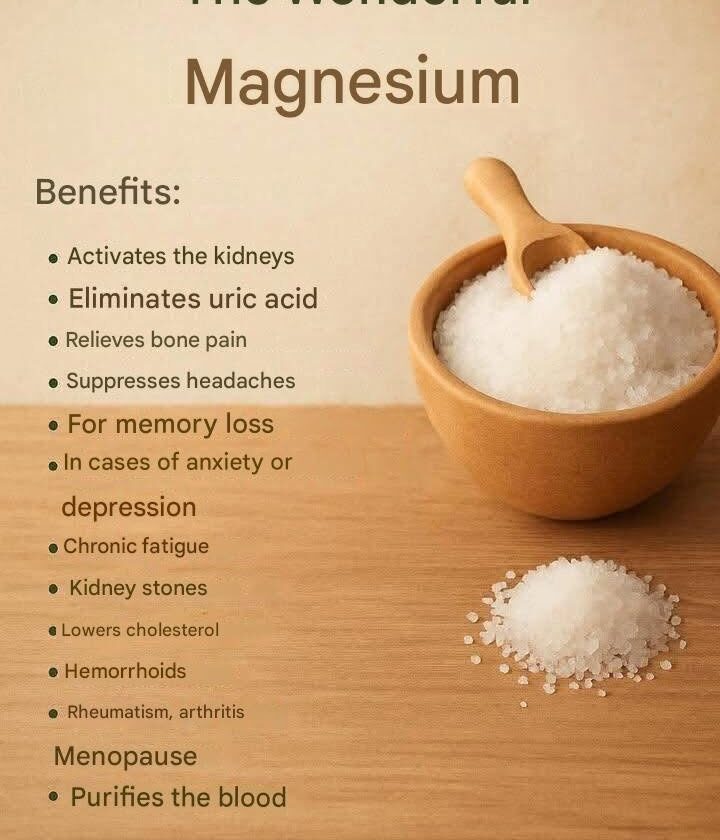
Magnesium chloride is useful mainly for correcting low magnesium levels, not a miracle cure. Most “viral claims” about detoxing, curing anxiety, or fixing many diseases are overstated.
If you want, I can explain which magnesium type is best (chloride vs citrate vs glycinate) depending on your goal.