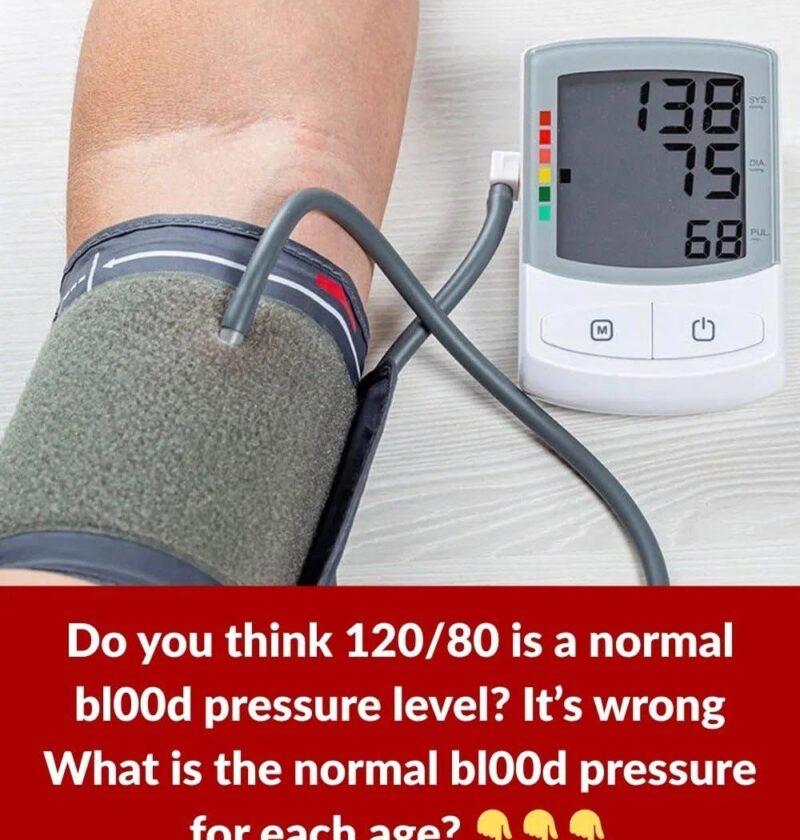
Many people think there is a different “normal” blood pressure for every age. In reality, for most adults, healthcare guidelines generally aim for a blood pressure below 120/80 mmHg as the optimal range, regardless of age. However, blood pressure tends to rise with age, so doctors may consider a person’s overall health and medical conditions when interpreting readings.
Blood Pressure Categories for Adults
| Category | Systolic (Top Number) | Diastolic (Bottom Number) |
|---|---|---|
| Normal | Less than 120 | Less than 80 |
| Elevated | 120–129 | Less than 80 |
| High Blood Pressure (Stage 1) | 130–139 | 80–89 |
| High Blood Pressure (Stage 2) | 140 or higher | 90 or higher |
| Hypertensive Crisis* | Over 180 | Over 120 |
*Seek immediate medical attention if readings are this high, especially if symptoms are present.
Typical Blood Pressure by Age (Approximate)
| Age Group | Common Range |
|---|---|
| 18–39 years | Around 90/60 to 120/80 mmHg |
| 40–59 years | Often below 130/80 mmHg is preferred |
| 60+ years | Often below 130/80 mmHg is still a common target, depending on individual circumstances |
When to Check with a Doctor
You should discuss your blood pressure with a healthcare professional if:
- It is consistently above 130/80 mmHg.
- It is consistently below 90/60 mmHg and causing symptoms.
- You experience headaches, dizziness, chest pain, shortness of breath, or vision changes.
Important
A single reading does not diagnose high blood pressure. Blood pressure varies throughout the day and should be assessed using multiple readings taken under proper conditions.
If you tell me your age and blood pressure reading, I can help explain what it generally means.