A colonoscopy is, by definition, an endoscopic (invasive) procedure because a flexible camera tube is inserted into the colon through the rectum to directly view the intestinal lining.
What’s actually happening in medicine
There are newer or less invasive options being developed or used in some cases, but they do not fully replace colonoscopy yet:
🧪 1. Stool-based tests (non-invasive)
- FIT (Fecal Immunochemical Test)
- Stool DNA tests (e.g., Cologuard)
These detect hidden blood or abnormal DNA in stool.
✔ Non-invasive
❌ Cannot remove polyps or fully inspect the colon
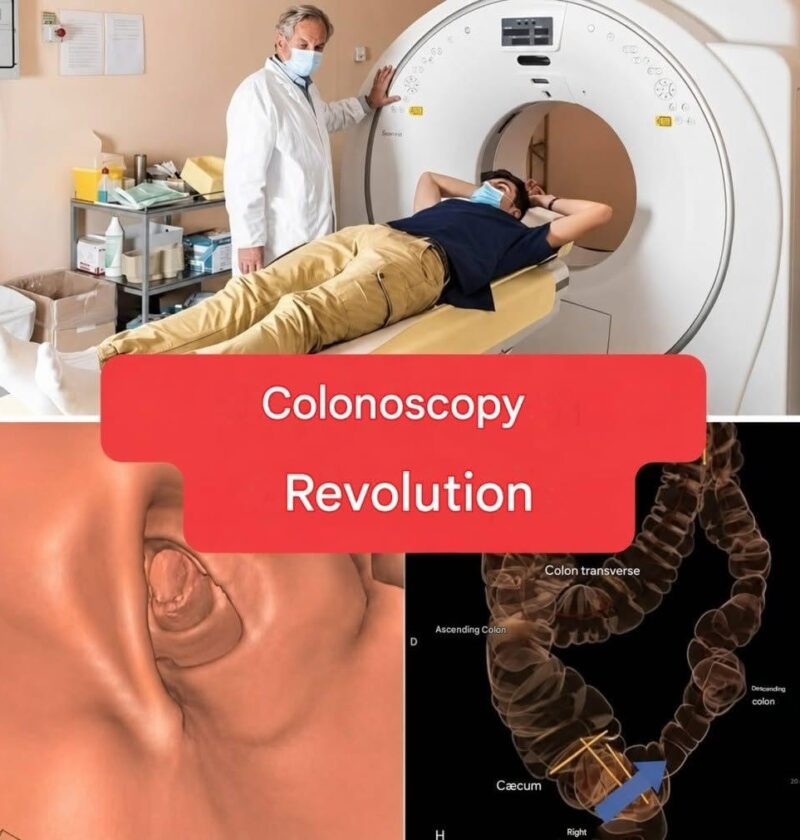
📷 2. CT colonography (“virtual colonoscopy”)
- Uses CT scans to create images of the colon
✔ Less invasive, no scope insertion
❌ Still requires bowel prep
❌ If something is found, a real colonoscopy is still needed
🧬 3. Capsule endoscopy (camera pill)
- Swallowed capsule takes images as it passes through
✔ No tube insertion
❌ Mostly used for small intestine, not full colon screening in standard practice
❌ Cannot perform treatment (like removing polyps)
Why colonoscopy is still important
Colonoscopy remains the gold standard because it:
- Detects polyps early
- Allows immediate removal of precancerous growths
- Provides the most complete direct visualization
That “treatment during diagnosis” ability is something non-invasive tests cannot match.
Bottom line
There is no current method that makes colonoscopy fully non-invasive. New technologies can reduce how often it’s needed, but they do not replace it for full diagnosis and treatment.
If you want, I can explain which screening method is best depending on age and risk level.