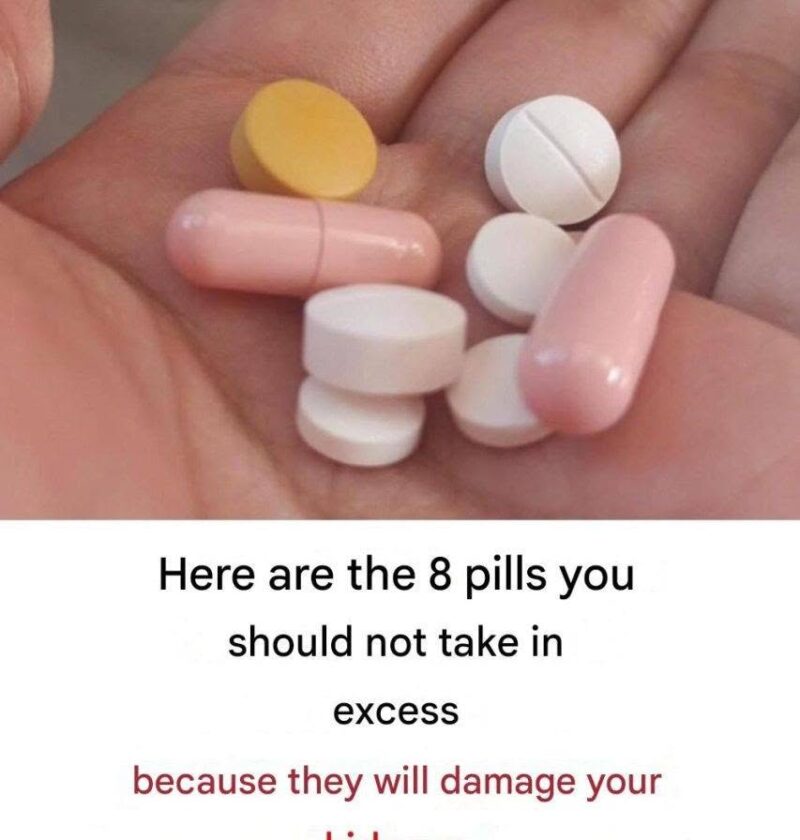
Your kidneys filter drugs, so certain medications can increase risk if misused.
Medicines that can affect kidney function (when overused or in high-risk people)
1. NSAID painkillers
Examples:
- Ibuprofen
- Naproxen
- Diclofenac
These can reduce blood flow to the kidneys, especially if:
- Used long-term
- Taken in high doses
- Combined with dehydration or heart disease
2. Certain antibiotics
Some antibiotics can stress the kidneys, especially in high doses:
- Aminoglycosides (e.g., gentamicin)
- Vancomycin (in high levels)
Usually safe when properly monitored.
3. Diuretics (“water pills”)
Used for blood pressure or swelling:
- Furosemide
- Hydrochlorothiazide
They don’t usually damage kidneys directly, but can cause dehydration or electrolyte imbalance if not managed.
4. ACE inhibitors & ARBs (blood pressure drugs)
Examples:
- Lisinopril
- Enalapril
- Losartan
They may slightly change kidney function at first, but are often kidney-protective long-term in conditions like diabetes and hypertension.
5. Proton pump inhibitors (long-term use)
Examples:
- Omeprazole
- Esomeprazole
Long-term use has been associated with rare kidney inflammation (interstitial nephritis).
6. Lithium (psychiatric medication)
- Can affect kidney function with long-term use
- Requires regular monitoring
7. Contrast dye (CT scans)
- Can temporarily stress kidneys, especially in people with existing kidney disease
- Doctors assess risk before use
8. Certain herbal or unregulated supplements
Some traditional or weight-loss products may contain:
- Hidden toxins
- Heavy metals
- Aristolochic acid (linked to kidney damage)
Important context
For most healthy people:
- These medications are safe when used correctly
- Kidney risk is usually related to dose, duration, hydration, and existing disease
Warning signs of kidney problems
Seek medical advice if you notice:
- Swelling in legs or face
- Reduced urine output
- Fatigue and nausea
- Foamy urine
- Persistent back/flank pain
Bottom line
There is no universal list of “8 pills you should never take.” The real message is:
Kidney risk depends on how a medicine is used—not just the medicine itself.
If you want, I can tell you which painkillers are safest for kidneys or how to protect kidney health if you take long-term medication.