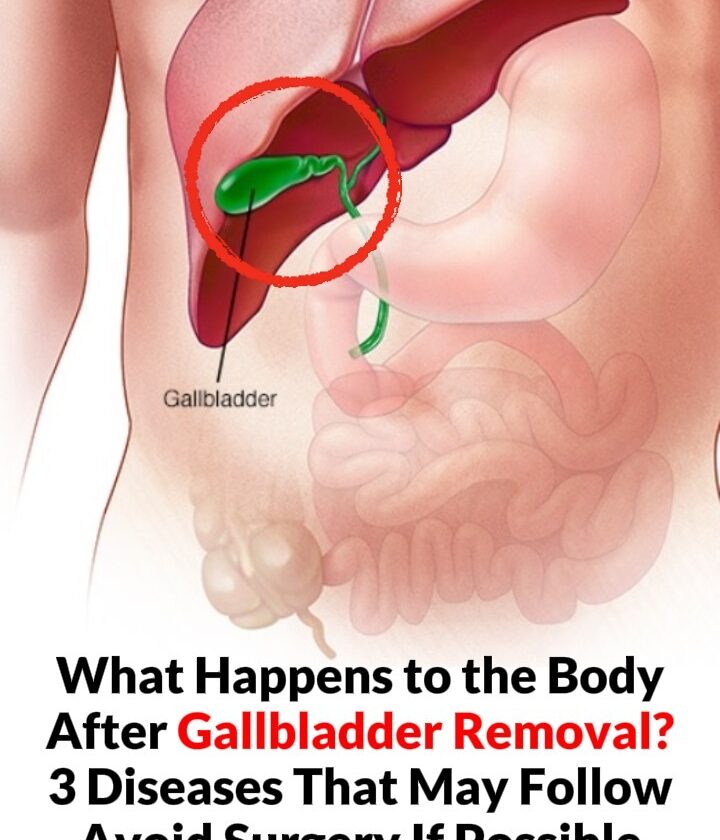
After gallbladder removal (cholecystectomy), most people live normally because the liver still produces bile. The main change is how bile is delivered: instead of being stored and released in bursts, it flows continuously into the intestine.
For many, this causes no major issues. But in a smaller group, certain digestive problems can appear over time.
What changes in the body after gallbladder removal
The gallbladder’s job is to store and concentrate bile. After removal:
- Bile flows directly from the liver into the small intestine
- It is less “controlled” during meals (especially fatty meals)
- Digestion of fats may feel different at first
3 conditions that may follow
1. Postcholecystectomy syndrome
Postcholecystectomy syndrome
This is a group of symptoms that can happen after surgery rather than a single disease.
Possible symptoms:
- Bloating or indigestion
- Upper abdominal pain
- Nausea
- Fat intolerance
Why it happens:
It may be due to bile flow changes, leftover bile duct issues, or unrelated stomach conditions that were already present.
2. Bile acid diarrhea
Bile acid diarrhea
After gallbladder removal, bile may enter the intestines too continuously, which can irritate the bowel.
Symptoms:
- Frequent loose stools
- Urgency after eating
- Worsening after fatty meals
Why it happens:
Excess bile acids reach the colon, where they draw water into the stool.
3. Small intestinal bacterial overgrowth (SIBO)
Small intestinal bacterial overgrowth
Some people develop an imbalance in gut bacteria after surgery.
Symptoms:
- Gas and bloating
- Abdominal discomfort
- Irregular bowel movements
- Nutrient absorption issues in long-term cases
Why it may happen:
Changes in bile flow can slightly affect the gut’s natural antibacterial environment.
Important reality check
- These conditions are not guaranteed
- Most people (well over 80–90%) do not develop serious long-term disease
- When symptoms do occur, they are usually manageable with diet changes or medication
When to see a doctor
Seek medical advice if you have:
- Persistent diarrhea lasting weeks
- Severe or worsening abdominal pain
- Unexplained weight loss
- Ongoing nausea after surgery recovery
If you want, I can also explain what foods to avoid after gallbladder removal or a diet plan for the first 2–4 weeks after surgery.