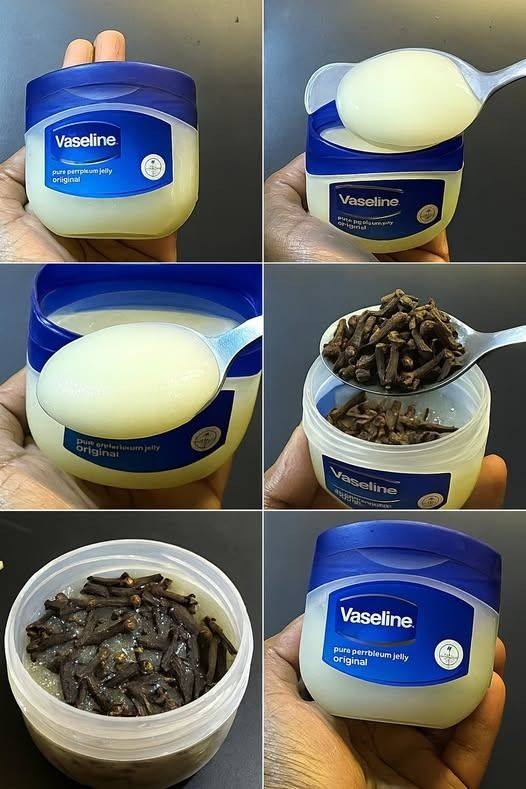
That “secret” is basically one of those internet DIY remedies that sounds more mysterious than it actually is.
Cloves contain a compound called eugenol, which does have mild antiseptic and numbing (analgesic) properties. That’s why clove oil is sometimes used in diluted form for things like temporary toothache relief. Petroleum jelly, on the other hand, is just an occlusive moisturizer—it locks whatever is underneath it onto the skin.
So when people mix crushed cloves or clove oil with petroleum jelly, they’re usually trying to create a homemade rub for things like pain, itching, acne, or “skin healing.” But there are a few problems with that idea:
Cloves are very potent and can irritate skin easily, especially in raw or concentrated form. Undiluted eugenol can cause redness, burning, or even allergic contact dermatitis in some people. Petroleum jelly doesn’t neutralize that—it can actually trap the irritant against your skin, sometimes making reactions worse or longer-lasting.
There’s also no solid medical evidence that this mixture does anything special beyond basic moisturizing plus a mild temporary sensation from the clove compound. Most of the “miracle” claims around it (skin whitening, acne curing, pain curing, etc.) don’t hold up under clinical testing.
If someone really wants the benefits of clove, the safer route is a properly diluted, commercially prepared clove oil product—not DIY mixing kitchen spices into skincare bases.
So the honest takeaway: it’s not a hidden medical trick, just a risky home mix with limited benefits and some real irritation potential.