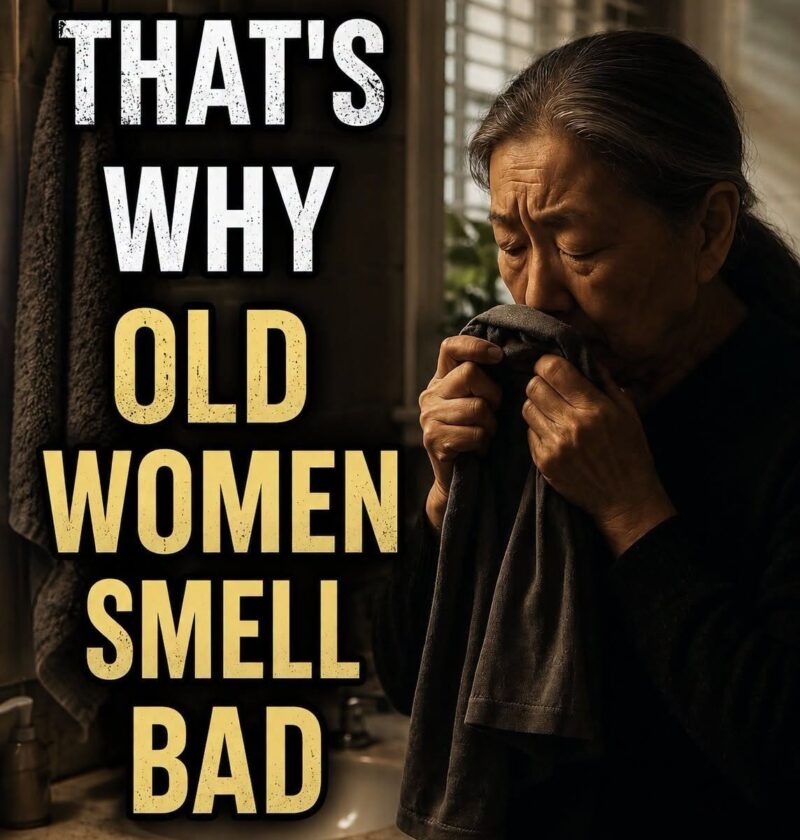
That kind of headline is sensationalized and misleading. It generalizes about “older women” and “secret behaviors,” which isn’t how doctors describe body odor.
🧠 First: what doctors actually say
Unpleasant body odor is usually caused by a mix of:
- Skin bacteria breaking down sweat
- Hormonal changes (including menopause)
- Diet and hydration
- Hygiene habits
- Certain medical conditions or medications
It’s not a gender-specific “secret behavior list.”
🧴 Common real factors that can increase body odor
1. 🧑⚕️ Hormonal changes (especially menopause)
Lower estrogen can change:
- Skin oil balance
- Sweat composition
This can subtly change body scent.
2. 💧 Dehydration
- More concentrated sweat and urine compounds
- Can intensify body odor
3. 🥗 Diet
Certain foods can affect body smell:
- Garlic, onions
- Spicy foods
- High alcohol intake (also dehydrates)
4. 🧼 Skin bacteria buildup
- Sweat itself is mostly odorless
- Odor comes when bacteria break it down
- Less frequent washing or poor drying can worsen it
5. 👕 Synthetic or unwashed clothing
- Polyester traps sweat
- Re-wearing clothes without washing increases odor
6. 💊 Medications or health conditions
Some conditions can change body odor, such as:
- Diabetes (sweet or fruity odor)
- Kidney or liver issues (ammonia-like odor)
Diabetes mellitus can sometimes cause noticeable changes in body smell when poorly controlled.
7. 😰 Stress and anxiety
- Stress sweat is different (more protein-rich)
- Bacteria break it down faster → stronger odor
8. 🧴 Skincare and hygiene products
- Overuse of harsh soaps can irritate skin
- Not cleaning skin folds properly can trap odor
🚫 What’s wrong with the “8 secret behaviors” framing
- It stigmatizes aging, especially women
- Suggests “hidden habits” instead of real biology
- Oversimplifies a normal physiological issue
🧠 Bottom line
Body odor changes with age can