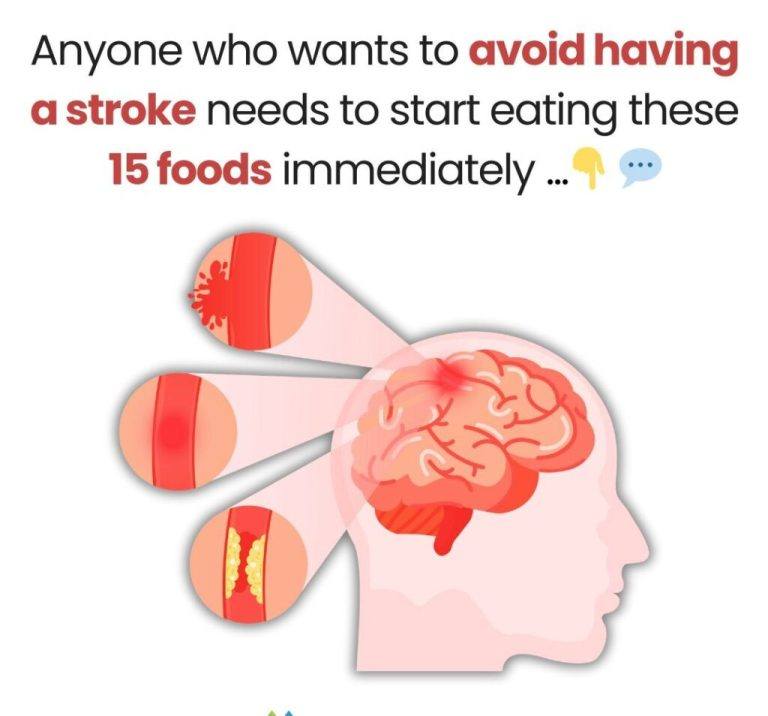
That headline is doing a bit of marketing drama. No single list of “15 magic foods” will guarantee you avoid a stroke, but diet does play a real role in lowering risk—especially through blood pressure control, cholesterol management, and inflammation reduction.
Most strong evidence comes from patterns like the Mediterranean-style diet and the DASH diet rather than individual “superfoods.”
Here are 15 foods consistently linked with better heart and brain vascular health:
- Leafy greens like spinach and kale – rich in folate and nitrates that support blood vessel function
- Berries (blueberries, strawberries) – high in antioxidants that may reduce oxidative stress
- Fatty fish such as salmon and sardines – packed with omega-3 fatty acids that reduce clot and inflammation risk
- Oats – help lower LDL (“bad”) cholesterol
- Nuts like almonds and walnuts – improve lipid profiles and vascular health
- Olive oil – a key Mediterranean fat linked with reduced cardiovascular risk
- Legumes (lentils, chickpeas, beans) – high fiber helps control cholesterol and blood sugar
- Avocados – contain healthy monounsaturated fats
- Tomatoes – rich in lycopene, an antioxidant linked to heart health
- Garlic – may modestly support blood pressure reduction
- Citrus fruits (oranges, lemons) – vitamin C and flavonoids support blood vessels
- Whole grains (brown rice, whole wheat) – improve metabolic and heart markers
- Beets – contain dietary nitrates that can help improve blood flow
- Yogurt (low-fat, unsweetened) – supports gut and metabolic health
- Green tea – contains polyphenols linked with cardiovascular protection
A few important realities to keep in mind:
- The biggest dietary driver of stroke risk is usually high blood pressure, followed by diabetes, smoking, and high LDL cholesterol.
- It’s the overall pattern (low salt, high fiber, healthy fats) that matters more than any one food.
- Even healthy foods won’t offset smoking, inactivity, or uncontrolled hypertension.
If you want, I can turn this into a simple daily meal plan or tailor it for lowering blood pressure specifically (which is the strongest modifiable stroke risk factor).