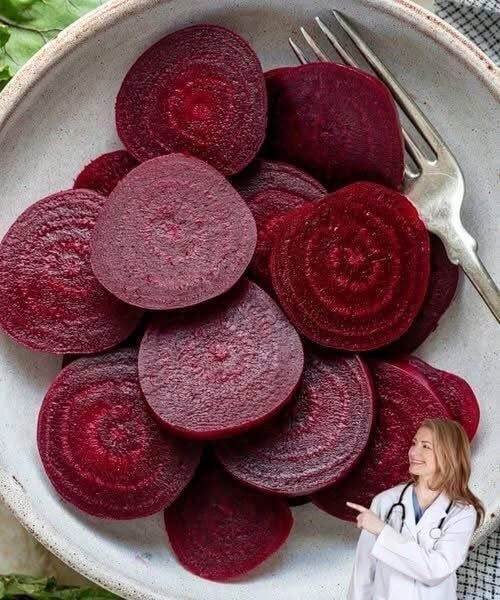
That sentence is cut off, and it looks like clickbait. There isn’t a single “hidden effect” that doctors warn about from eating beets—rather, there are a few well-studied, mostly positive effects, plus a couple of harmless or situational side effects.
Beetroot is actually known for its high nitrate content, which the body can convert into nitric oxide. This can help relax blood vessels and may slightly lower blood pressure in some people. That’s one reason beet juice is sometimes studied in sports science for improving endurance and blood flow.
There are also a few common “surprises” people notice:
- Red or pink urine/stool (beeturia): Completely harmless in some people after eating beets. It can look alarming if you don’t know about it.
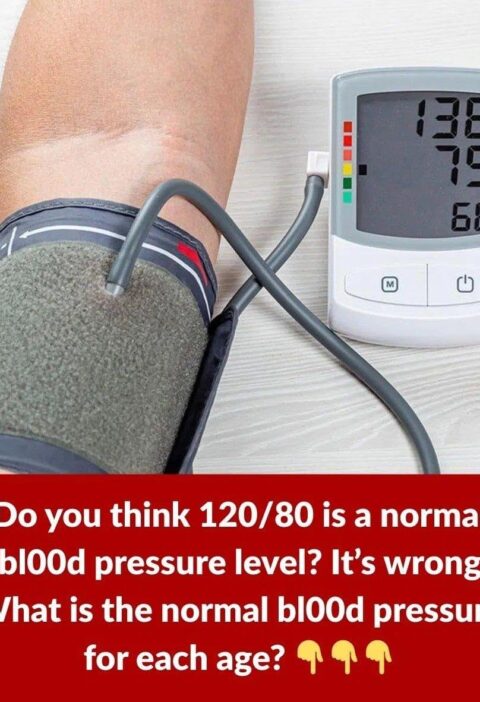
- Blood pressure effects: Can lower blood pressure mildly—good for many, but people on BP medication sometimes need to be aware.
- Kidney stone consideration: Beets are relatively high in oxalates, so people prone to calcium oxalate kidney stones may be advised to moderate intake.
- Digestive effects: Large amounts can cause bloating in some individuals.
Overall, doctors don’t warn against beets as dangerous food—they’re generally considered nutritious, with benefits for heart health and exercise performance, as long as they’re eaten in reasonable amounts.
If you want, I can break down whether beet juice is actually worth it for blood pressure or gym performance (that’s where most of the hype is).