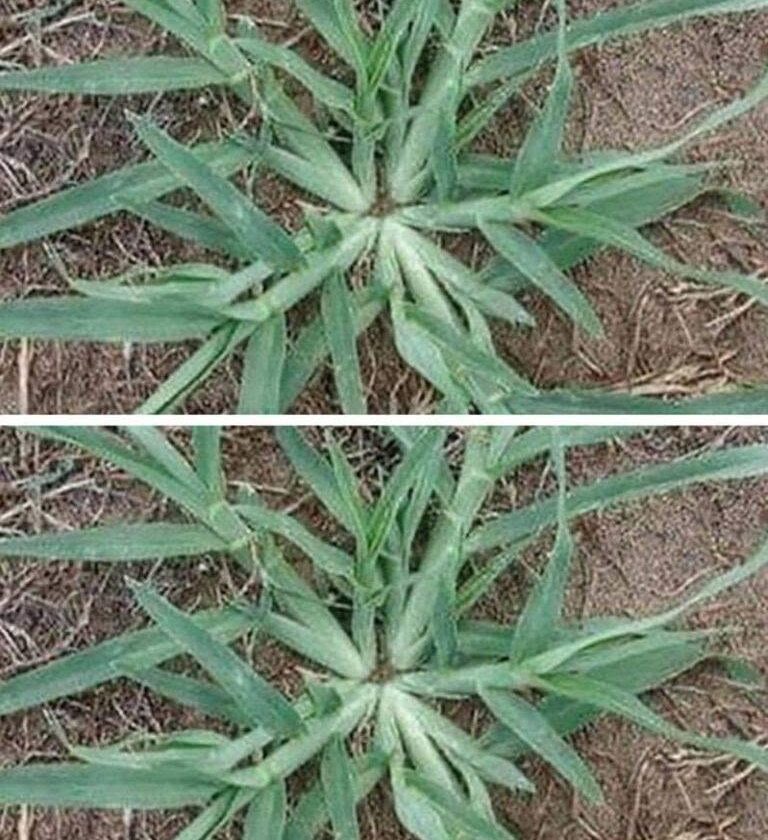
That kind of line—“never uproot this plant if it appears in your garden”—is usually viral clickbait. It sounds dramatic, but it only makes sense if we know which plant they’re talking about.
In reality, whether you should remove a plant depends on a few things:
1. Is it beneficial or harmful?
- Some wild plants are actually helpful: they may support pollinators, improve soil, or act as natural ground cover.
- Others are invasive and can spread aggressively, choking out your garden plants.
2. Is it identified correctly?
A big problem with these posts is they rarely name the plant. Without proper identification, the advice is meaningless—and sometimes wrong.
3. Location matters
A plant that is harmless or useful in one region can become invasive in another.
4. Common examples behind such claims
These warnings are often attached to plants like:
- “wild herbs” that are actually weeds in some gardens
- medicinal plants that people overhype online
- or completely misidentified species
Bottom line
Don’t keep or remove a plant just because of a viral claim. First identify it properly—ideally with a clear photo or local gardening resource—then decide.
If you want, you can describe or show the plant, and I can help you figure out whether it’s beneficial, edible, or invasive in your area.