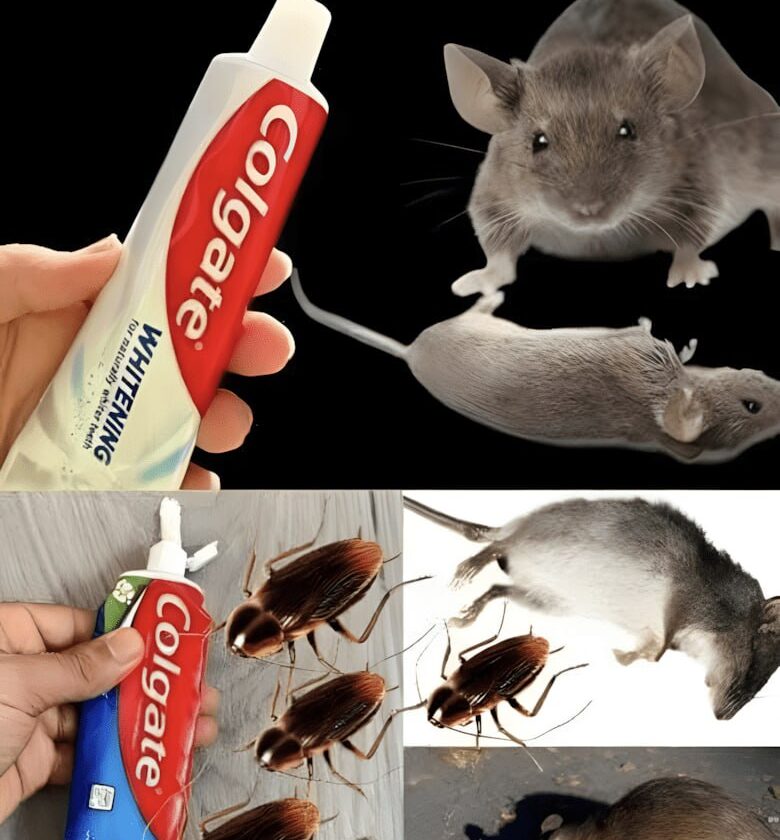
Mint “remedies” for mice (like peppermint oil, mint leaves, or mint sprays) are mostly a myth when it comes to actually solving an infestation.
What’s true vs what’s not
Myth: Mint repels mice effectively
- Peppermint oil and mint plants have a strong smell that may irritate mice briefly.
- In controlled or lab-like situations, rodents sometimes avoid very strong concentrations.
Fact: It does not eliminate or control infestations
- Mice are highly adaptable and quickly ignore smells that aren’t paired with danger.
- Real homes, barns, and storage areas have too many competing odors for mint to remain effective.
- It does not stop nesting, breeding, or entry points.
Myth: Mint is a “natural rodenticide”
- Mint does not kill mice or affect their reproduction or survival.
Fact: It may have only short-term deterrent effects
- At best, it can slightly discourage movement in a very limited area for a short time.
What actually works for mice control
If the goal is real control (not just masking smell), the evidence-based approach is:
- Exclusion: sealing holes as small as a pencil (mice can squeeze through tiny gaps)
- Sanitation: removing food sources and crumbs
- Trapping: snap traps or multi-catch traps placed along walls
- Professional rodenticides: used carefully in secure bait stations when needed
- Integrated pest management (IPM): combining all of the above consistently
Bottom line
Mint smells nice, but it’s closer to a “temporary annoyance” for mice than a solution. It can be used as a minor supplementary step, but relying on it alone won’t control or prevent rodents.
If you want, tell me where you’re seeing mice (kitchen, attic, storage, etc.), and I can suggest a targeted plan that actually works for that situation.