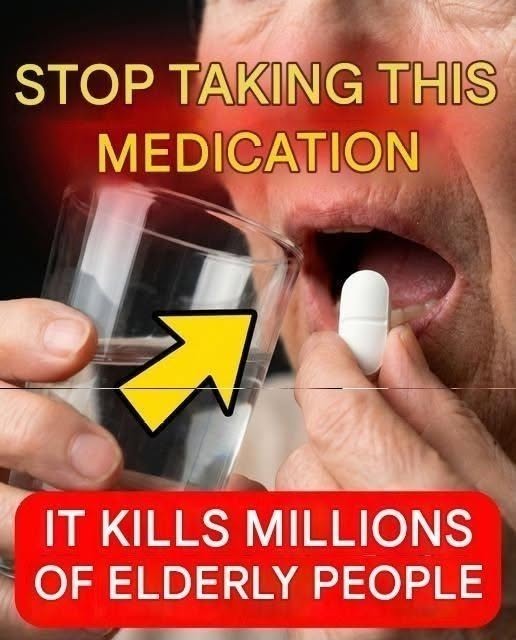
That headline is the kind of “first comment” clickbait that spreads on social media, but it’s misleading in how it frames things.
No cardiologist can honestly say “these 5 medications always cause heart attack and stroke”. What’s true is that certain commonly used drugs can increase cardiovascular risk in older adults—especially in people with existing heart disease, high blood pressure, or dehydration risk.
Here are 5 medication groups that doctors often caution about:
1) NSAID painkillers (e.g., ibuprofen, diclofenac)
Ibuprofen, Diclofenac
These are widely used for pain and inflammation.
Why risk increases:
- Can raise blood pressure
- Promote fluid retention
- May increase risk of heart attack or stroke with long-term or high-dose use
Higher risk: older adults, people with heart disease, kidney disease, or hypertension.
2) COX-2 inhibitors (select NSAIDs)
Celecoxib
Designed to reduce stomach irritation compared to older NSAIDs.
Concern:
- Some studies show increased risk of cardiovascular events at higher doses or long-term use
3) Decongestants (cold & flu meds)
Pseudoephedrine
Found in many over-the-counter cold remedies.
Why they matter:
- Can raise blood pressure
- Can trigger palpitations or increase heart strain
Risk group: people with hypertension or heart disease
4) Some antipsychotic medications (especially in older dementia patients)
Risperidone (example)
Why they’re flagged:
- Associated with increased risk of stroke in elderly patients with dementia
- May also affect heart rhythm and blood pressure
These are only used when necessary and carefully monitored.
5) Hormone therapy (estrogen-based)
Estrogen (hormone replacement therapy)
Why it matters:
- Can slightly increase risk of blood clots
- Clots can lead to stroke or heart complications in some patients
Risk depends heavily on dose, age, and delivery method (pill vs patch).
Important reality check
- These medications are not “forbidden” in older adults.
- In many cases, benefits outweigh risks when properly prescribed.
- Risk usually depends on:
- Dose
- Duration
- Existing health conditions
- Drug combinations
Bottom line
The real issue is not “dangerous medications,” but how they are used in older adults with existing cardiovascular risk factors.
If you want, I can also break down:
- Safer pain relief options for older adults
- Common drug combinations that silently increase heart risk
- Or warning signs of medication-related heart stress to watch for