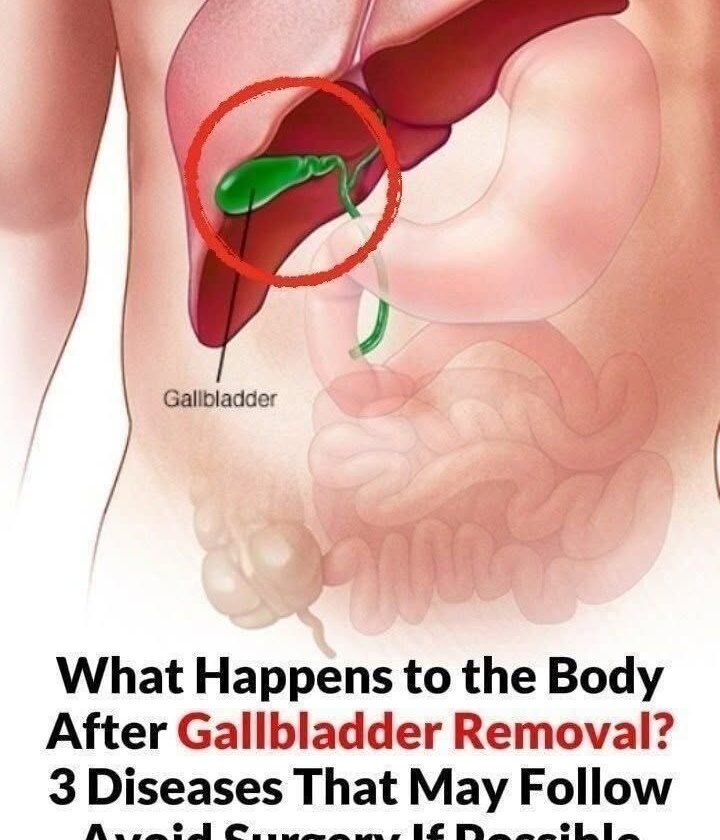
Gallbladder removal surgery (cholecystectomy) is a common procedure and is generally considered safe when medically necessary. However, like any surgery, it can have possible risks and side effects. The idea that people should always avoid gallbladder removal is not supported by medical evidence—many people benefit from surgery when they have repeated gallstones, gallbladder inflammation, or complications.
After gallbladder removal, some people may experience:
- Post-cholecystectomy digestive symptoms
- Bloating, gas, diarrhea, or changes in bowel habits can occur, especially in the first weeks or months.
- This happens because bile flows continuously into the intestine rather than being stored and released after meals.
- Bile acid diarrhea
- Some people have excess bile acids reaching the colon, which can cause chronic watery diarrhea.
- This condition can often be treated with medications that bind bile acids.
- Bile duct or surgical complications (uncommon)
- Rarely, problems such as bile leaks, bile duct injury, or retained stones can occur.
For many people, not removing the gallbladder can be riskier if they have:
- Recurrent painful gallstone attacks
- Gallbladder infection (cholecystitis)
- Inflammation or blockage of bile ducts
- Pancreatitis caused by gallstones
If someone has silent gallstones (stones found incidentally without symptoms), doctors often do not recommend surgery unless there are specific risk factors.
If you’re considering gallbladder surgery, the decision usually depends on your symptoms, ultrasound findings, age, overall health, and risk of complications.
If you tell me whether you already had gallbladder removal or are being advised to have it, and what symptoms you have, I can help explain what typically applies.