Common side effects after surgery
Many side effects improve over days to weeks, though some may last longer.
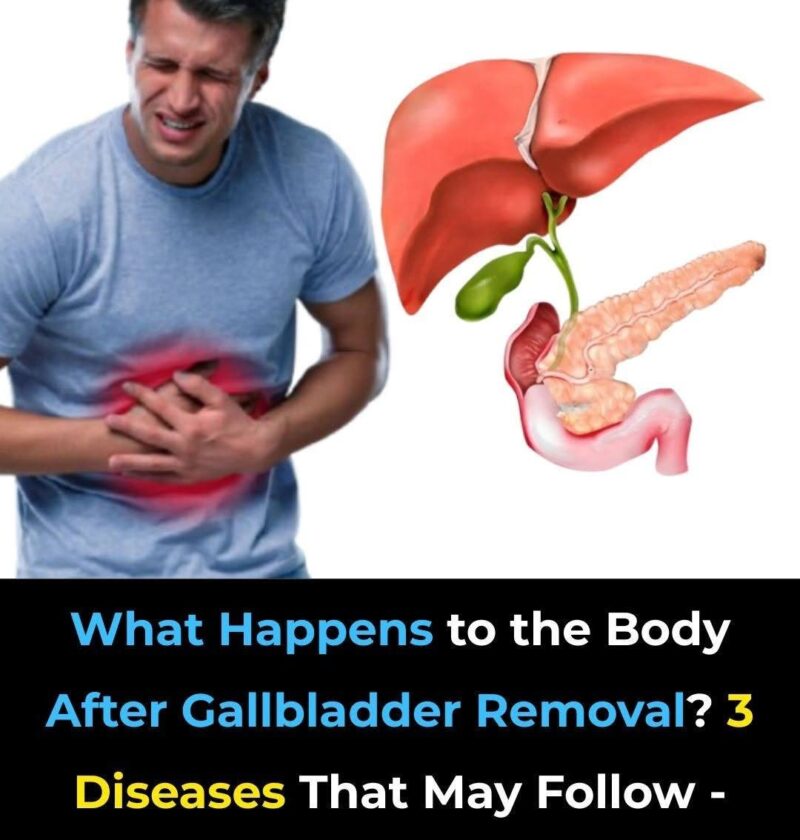
- Pain and soreness: It’s common to have pain around the incision sites and sometimes shoulder pain from the gas used during laparoscopic surgery.
- Bloating and gas: Digestive discomfort, bloating, and increased gas are common during recovery.
- Diarrhea: Some people experience loose stools because bile flows continuously into the intestines instead of being stored. This often improves within a few weeks or months.
- Nausea: Temporary nausea can occur due to anesthesia, pain medications, or changes in digestion.
- Fat intolerance: Rich, greasy, or fried foods may cause cramping, diarrhea, or indigestion early in recovery.
Contact your healthcare provider promptly if you develop:
- Fever over 38°C (100.4°F)
- Increasing abdominal pain rather than gradual improvement
- Redness, swelling, or drainage from the incision
- Persistent vomiting
- Yellowing of the skin or eyes (jaundice)
- Severe or persistent diarrhea lasting several weeks
Dietary tips after gallbladder surgery
A gradual return to your usual diet is often the most comfortable approach.
During the first few days:
- Start with clear liquids and bland, easy-to-digest foods.
- Eat small, frequent meals rather than large ones.
- Stay well hydrated.
Over the next several weeks:
- Choose low-fat foods, such as:
- Skinless chicken or turkey
- Fish
- Rice, oats, and whole grains
- Fruits and cooked vegetables
- Low-fat yogurt or milk
- Limit:
- Fried foods
- Fatty meats
- Creamy sauces
- Full-fat dairy products
- Highly processed snack foods
Add fiber gradually
Fiber can help regulate bowel movements, but increasing it too quickly may worsen gas and bloating. Add foods like oats, fruits, vegetables, and whole grains gradually.
Foods that are often well tolerated
- Toast, rice, bananas, applesauce
- Oatmeal
- Lean meats and fish
- Eggs (in moderation, if tolerated)
- Soups
- Steamed vegetables
Foods that may trigger symptoms
Some people notice symptoms after eating:
- Fried or greasy foods
- High-fat desserts
- Spicy foods
- Large meals
- Caffeinated beverages
- Alcohol (especially during early recovery)
Tolerance varies from person to person, so it can help to reintroduce foods one at a time.
Long-term outlook
Most people can eventually eat a normal, balanced diet. If diarrhea persists beyond several weeks or significantly affects your quality of life, your healthcare provider may recommend dietary changes or medication to help reduce bile-related diarrhea.
Recovery timeline
- First week: Soreness, fatigue, and mild digestive changes are common.
- 2–4 weeks: Most people resume many normal daily activities, especially after minimally invasive surgery.
- 1–3 months: Digestion typically stabilizes, and many people tolerate a wider range of foods.
If you have other digestive conditions—such as Irritable bowel syndrome, Celiac disease, or Inflammatory bowel disease—your dietary recommendations may need to be adjusted accordingly.