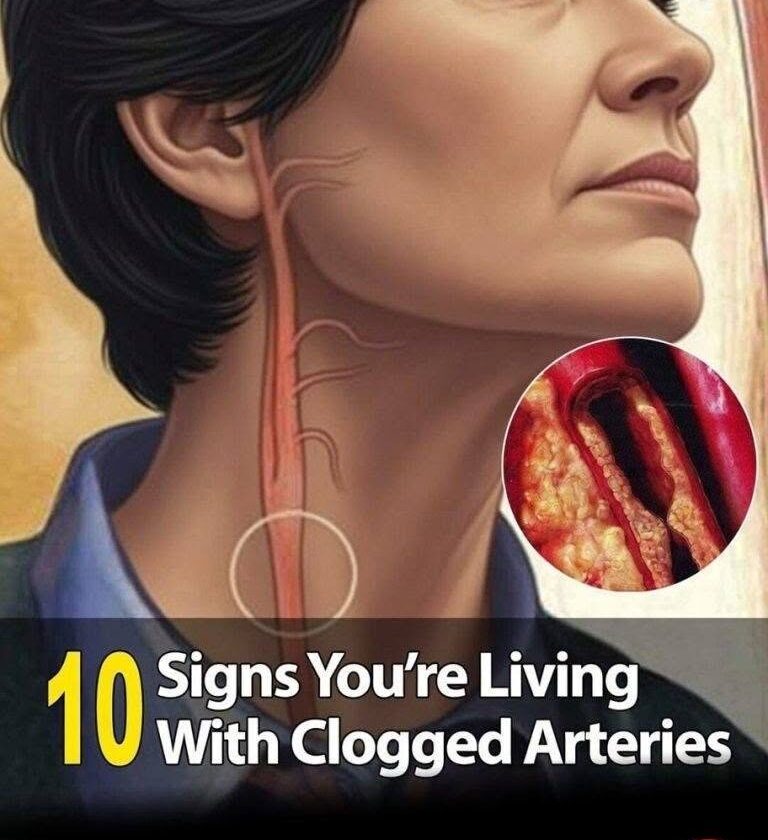
Here are 10 possible indicators of reduced blood flow from narrowed arteries that should not be ignored:
1. Chest pressure, tightness, or pain
Discomfort in the chest—especially during activity or stress—that improves with rest can be a warning sign of reduced blood flow to the heart (Angina pectoris).
2. Shortness of breath
Feeling unusually breathless during normal activities may occur when the heart is not receiving enough oxygen-rich blood or is under strain.
3. Pain spreading to the arm, shoulder, neck, jaw, or back
Heart-related discomfort is not always felt only in the chest. It can radiate to other areas.
4. Leg pain when walking that improves with rest
Cramping or aching in the calves, thighs, or hips during walking may indicate reduced circulation in the legs, known as Peripheral artery disease.
5. Coldness, numbness, or weakness in a limb
Reduced blood flow can make an arm or leg feel unusually cold, weak, or numb.
6. Slow-healing wounds on the feet or legs
Poor circulation can make cuts or sores take longer to heal.
7. Sudden weakness, facial drooping, or trouble speaking
These can be signs of a stroke caused by a blocked blood vessel in the brain and require emergency care.
8. Unusual fatigue
Some people—especially women and older adults—may experience significant tiredness or reduced ability to perform normal activities as a sign of heart problems.
9. Erectile dysfunction (in some men)
Because blood vessels are involved in sexual function, erectile difficulties can sometimes be an early sign of vascular disease.
10. Dizziness or fainting episodes
Reduced blood flow affecting the heart or brain can contribute to lightheadedness or fainting and should be evaluated.
Seek emergency help immediately if you have:
- Chest pressure or pain lasting more than a few minutes
- Sudden trouble speaking, weakness on one side, or facial drooping
- Severe shortness of breath
- Sudden loss of consciousness
Who is at higher risk?
Risk increases with:
- High blood pressure
- Type 2 diabetes
- High cholesterol
- Smoking
- Obesity
- Lack of physical activity
- Family history of early heart disease
- Older age
Many people with early artery narrowing have no symptoms, which is why regular checkups, blood pressure monitoring, cholesterol testing, and diabetes screening are important—especially if you have risk factors.