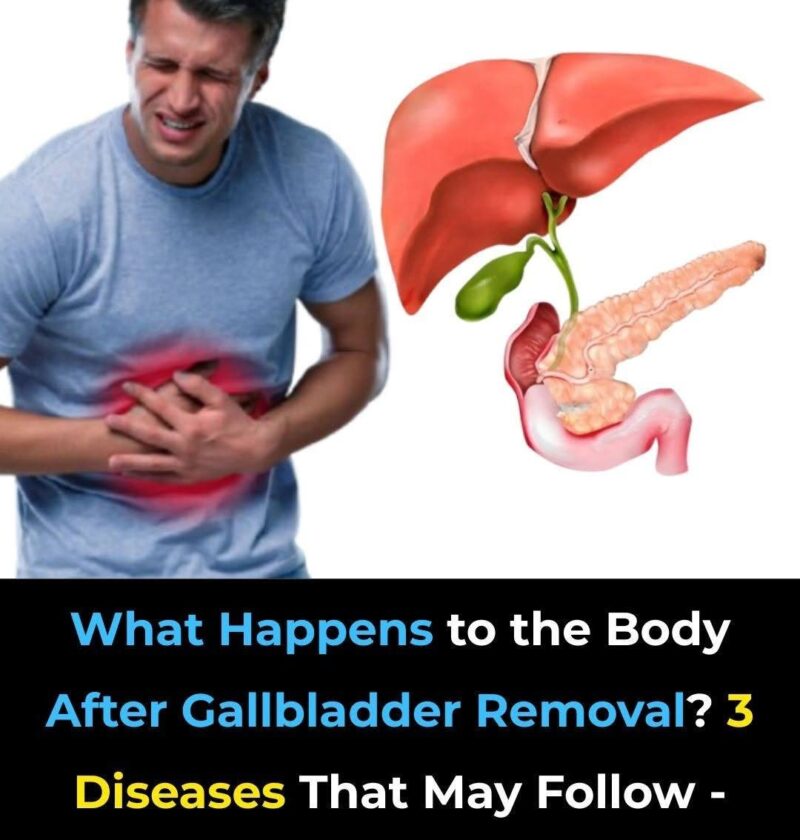
Common short-term effects after surgery
During the first days or weeks, some people may experience:
- Abdominal discomfort
- Mild pain, bloating, or soreness around the incision sites is common.
- Gas and bloating
- The digestive system may take time to adjust.
- Changes in bowel habits
- Some people have loose stools or diarrhea, especially after fatty meals.
- Nausea or reduced appetite
- Often improves as recovery progresses.
- Tiredness
- Your body needs energy to heal.
Longer-term digestive changes
A smaller number of people develop ongoing symptoms, such as:
- Bile acid diarrhea (watery diarrhea caused by bile acids reaching the colon)
- Food sensitivity, especially to high-fat meals
- Persistent bloating or indigestion
These symptoms can often be managed with diet changes or medical treatment.
Dietary tips after gallbladder removal
Eat smaller meals
Instead of large meals, try:
- 4–6 smaller meals during the day
- Eating slowly and chewing well
Limit high-fat foods at first
Reduce foods such as:
- Fried foods
- Heavy cream sauces
- Fatty meats
- Large amounts of butter or oil
Gradually reintroduce fats as tolerated.
Choose easier-to-digest foods
Helpful options may include:
- Lean protein (fish, chicken, eggs, beans)
- Vegetables
- Fruits
- Whole grains
- Low-fat dairy if tolerated
Increase fiber gradually
Fiber can help regulate bowel movements, but adding too much too quickly may increase gas.
Stay hydrated
Adequate fluids support digestion and recovery.
Contact a healthcare professional if you have:
- Fever
- Increasing abdominal pain
- Yellowing of the skin or eyes (jaundice)
- Persistent vomiting
- Severe or ongoing diarrhea
- Redness, swelling, or drainage from the incision
Recovery varies depending on whether the surgery was done through small incisions (laparoscopic) or a larger incision, as well as your overall health.
If you’ve already had gallbladder surgery, tell me how long ago it was and what symptoms you’re having (diarrhea, pain, bloating, food intolerance, etc.), and I can help you understand what is typical and what may need checking.