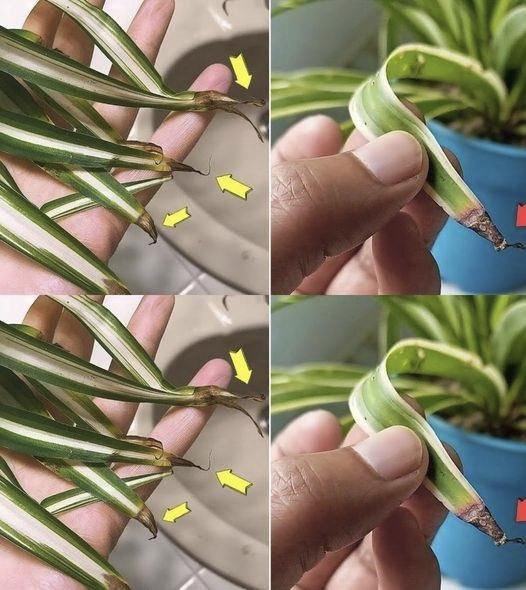
The tips of herbaceous plants (soft-stemmed plants like herbs, vegetables, and many ornamentals) turn brown for a few common physiological and environmental reasons. It’s usually a symptom of stress rather than a disease by itself.
One of the most common causes is water stress. If the plant isn’t getting enough water, or if watering is irregular, the leaf tips are often the first part to dry out because they are farthest from the water supply in the stem. The same can happen if roots are damaged or unable to absorb water properly.
Another frequent cause is salt buildup in the soil, especially from over-fertilization or using hard water. Excess salts accumulate at the leaf tips where water evaporates, leading to a “burned” appearance.
Low humidity can also contribute, particularly in indoor plants. When air is dry, plants lose water faster from leaf edges and tips than they can replace, causing those areas to die back.
Sometimes the issue is fertilizer burn, where too-strong or too-frequent feeding damages root tissues and leads to poor water uptake. The symptoms again show first at the leaf tips and margins.
Root problems such as root rot, compacted soil, or pots without proper drainage can also indirectly cause tip browning because they limit water and nutrient uptake.
Less commonly, temperature stress (too hot, too cold, or sudden changes) or wind exposure can dry out leaf tips.
In short, brown tips usually mean the plant is struggling with water balance or salt stress—so the root zone and watering conditions are the first places to check.