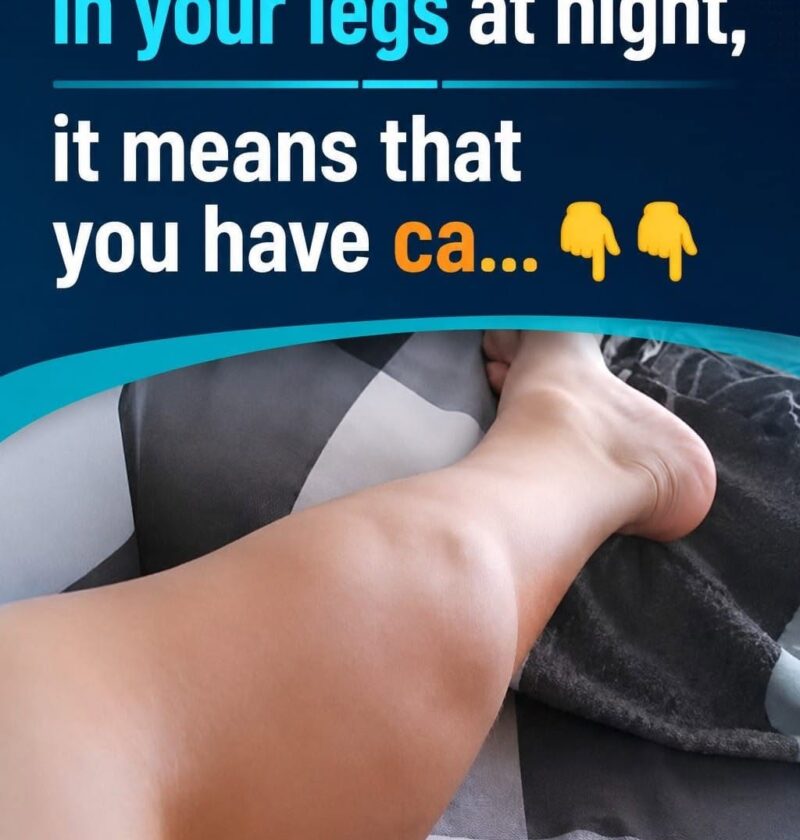
Night cramps (especially leg cramps that happen during sleep) can affect anyone, but some people are more likely to experience them.
People at higher risk include:
- Older adults
- Muscle mass and flexibility can decrease with age, making cramps more common.
- People who are dehydrated
- Not drinking enough fluids, especially in hot weather or after sweating, may contribute to muscle cramping.
- Those with reduced physical activity
- Long periods of sitting or a sudden increase in exercise can strain muscles and trigger cramps.
- People with certain medical conditions
- Conditions affecting nerves, circulation, or metabolism may increase risk, including diabetes mellitus and some kidney, thyroid, or blood vessel disorders.
- People taking certain medications
- Some medicines, including certain diuretics (“water pills”) and other drugs that affect fluid or mineral balance, may contribute to cramps.
- Pregnant people
- Leg cramps are common during pregnancy, particularly in later months.
- Those with muscle fatigue or overuse
- Standing for long periods, intense exercise, or unusual activity can make muscles more prone to spasms.
Ways that may help reduce night cramps:
- Stay well hydrated.
- Stretch calf and leg muscles gently before bed.
- Keep physically active with regular, moderate exercise.
- Wear supportive footwear during the day.
- Avoid sudden increases in exercise intensity.
Seek medical advice if cramps are new and severe, happen very often, cause weakness or swelling, occur with numbness, or are associated with changes in walking or circulation.