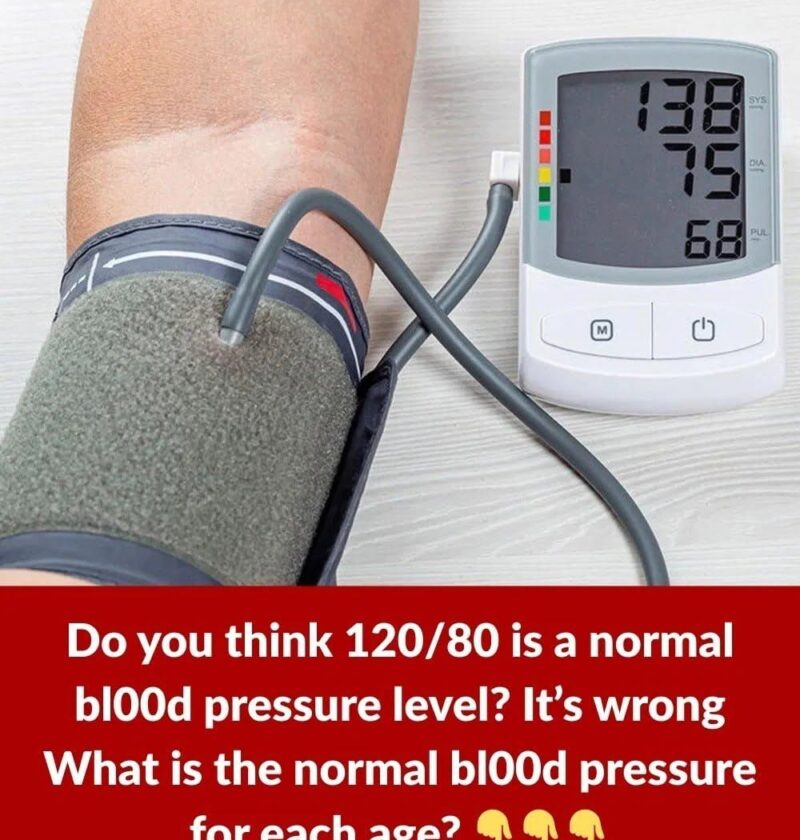
The idea that there is one “normal” blood pressure number for every age is a common misunderstanding. Blood pressure varies by person, health status, activity, and measurement conditions. However, these are general adult ranges used by many health organizations:
| Age group | Typical healthy blood pressure goal (approx.) |
|---|---|
| 18–39 years | Around 90/60 to under 120/80 mmHg (if healthy) |
| 40–59 years | Around 90/60 to under 120/80 mmHg (individual goals may vary) |
| 60+ years | Often under 130/80 mmHg is considered a common treatment goal for many adults, but targets may differ |
Blood pressure categories (adults)
- Normal: Less than 120/80 mmHg
- Elevated: 120–129 systolic and less than 80 diastolic
- High blood pressure (hypertension): 130/80 mmHg or higher (when confirmed by repeated readings)
Common mistakes when checking blood pressure
- Measuring immediately after exercise, caffeine, smoking, or stress
- Talking during the measurement
- Using the wrong cuff size
- Not resting quietly for a few minutes before checking
- Checking only once and assuming it represents your usual level
When to seek urgent help
A blood pressure reading around 180/120 mmHg or higher, especially with symptoms like chest pain, severe headache, weakness, confusion, or trouble breathing, requires urgent medical attention.
For the most accurate interpretation, blood pressure should be considered along with age, medical history, medications, and overall health—not age alone.