Why Daily Showers After 65 May Do More Harm Than Good
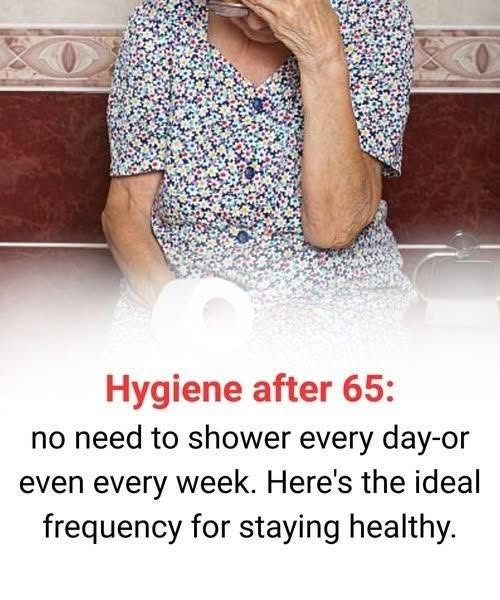
For many people, a daily shower is a lifelong habit. It feels refreshing, keeps the body clean, and can be an important part of a healthy routine. However, as people get older, the skin changes—and the same shower habits that worked well in younger years may not always be ideal after age 65.
Aging skin is often thinner, more delicate, and produces less natural oil. Because of these changes, frequent hot showers and harsh soaps may sometimes cause problems rather than improve comfort.
1. Daily Hot Showers Can Dry Out Aging Skin
As we age, the skin’s ability to retain moisture decreases. Long, hot showers can remove natural oils that protect the skin, leading to:
- Dryness
- Itching
- Flaking
- Increased sensitivity
Using warm water instead of very hot water and keeping showers shorter can help protect the skin’s natural barrier.
2. Harsh Soaps May Irritate the Skin
Some strong soaps and heavily scented products can strip away protective oils. Older adults may benefit from gentle, fragrance-free cleansers, especially on areas that need cleaning most.
The goal is not to avoid hygiene—it is to maintain cleanliness while protecting the skin.
3. Over-Washing May Affect the Skin Barrier
The skin acts as a protective shield against the environment. Excessive washing can disturb this barrier, potentially making the skin more vulnerable to irritation and discomfort.
For many older adults, showering less frequently—such as every other day or a few times per week—may be comfortable, depending on personal needs, activity level, climate, and medical conditions.
4. Bathroom Safety Becomes More Important
After age 65, falls become a greater concern. Wet floors, slippery surfaces, and stepping in and out of a bathtub or shower can create risks.
Helpful safety measures include:
- Installing grab bars
- Using non-slip mats
- Keeping the bathroom well lit
- Using a shower chair if needed
5. Personal Hygiene Needs Change With Age
Everyone’s needs are different. People who exercise regularly, work outdoors, sweat heavily, or have certain skin conditions may need more frequent washing. Others with very dry or sensitive skin may benefit from fewer full-body showers.
A good approach is to focus on comfort, cleanliness, and skin health rather than following a strict rule.
The Best Shower Routine After 65
A skin-friendly routine may include:
- Using warm (not hot) water
- Limiting shower time
- Choosing gentle cleansers
- Moisturizing after bathing
- Drying the skin gently instead of rubbing harshly
Final Thoughts
Daily showers are not automatically harmful after 65, but older skin often requires a different approach. The most important thing is finding a routine that keeps you clean while protecting your skin, comfort, and safety.
Aging does not mean giving up good hygiene—it means adapting habits to support a changing body.