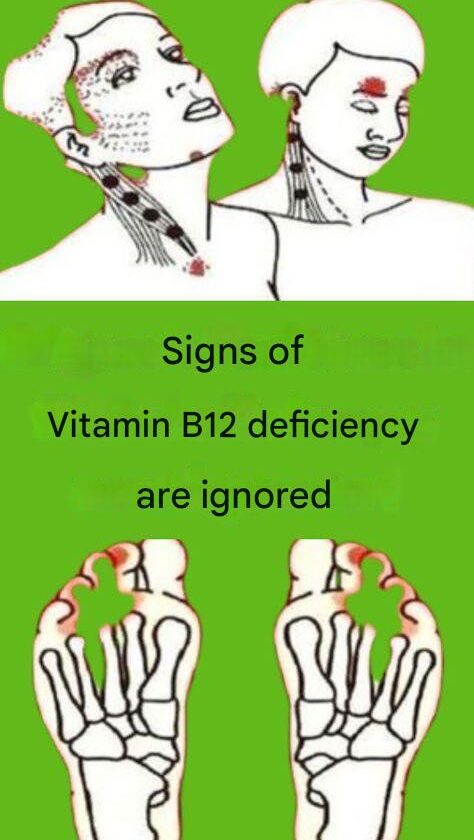
Early signs of Vitamin B12 deficiency are often subtle and easy to dismiss, which is why many people ignore them until symptoms become more serious.
Common early signs include:
- Persistent fatigue or weakness
- Brain fog, poor memory, or difficulty concentrating
- Tingling or numbness in hands and feet
- Dizziness or balance problems
- Pale or slightly yellow skin
- Shortness of breath with mild activity
- Mood changes such as irritability or depression
- Sore, smooth, or swollen tongue
- Heart palpitations
- Vision changes in severe cases
What makes B12 deficiency tricky is that symptoms can develop slowly over months or years. People often assume it’s stress, aging, lack of sleep, anxiety, or overwork.
Some groups are at higher risk:
- Vegetarians and vegans
- Adults over 50
- People with stomach or intestinal disorders
- Those taking long-term acid-reducing medicines or metformin
- People with poor nutrition or alcohol misuse
If untreated, prolonged deficiency can lead to nerve damage and neurological problems that may become permanent.
A blood test usually checks:
- Serum B12
- Complete blood count (CBC)
- Methylmalonic acid (MMA)
- Homocysteine
Treatment may involve oral supplements, dietary changes, or B12 injections depending on the cause and severity.
Good dietary sources include:
- Meat
- Fish
- Eggs
- Dairy products
- Fortified cereals and plant milks
If you’re experiencing ongoing numbness, severe fatigue, trouble walking, or confusion, it’s important to see a healthcare professional rather than self-diagnosing.