The title “The 10 Metoprolol Side Effects Your Doctor is PRAYING You Don’t Discover” is a common style used in online health content, but metoprolol side effects are not secret—healthcare professionals routinely discuss them with patients. Metoprolol is a beta-blocker used for conditions such as high blood pressure, heart rhythm problems, chest pain (angina), and heart failure.
Here are 10 possible side effects of metoprolol that are worth knowing about:
1. Tiredness and low energy
Metoprolol slows the heart rate and reduces the effects of stress hormones, which can make some people feel fatigued, especially when starting treatment.
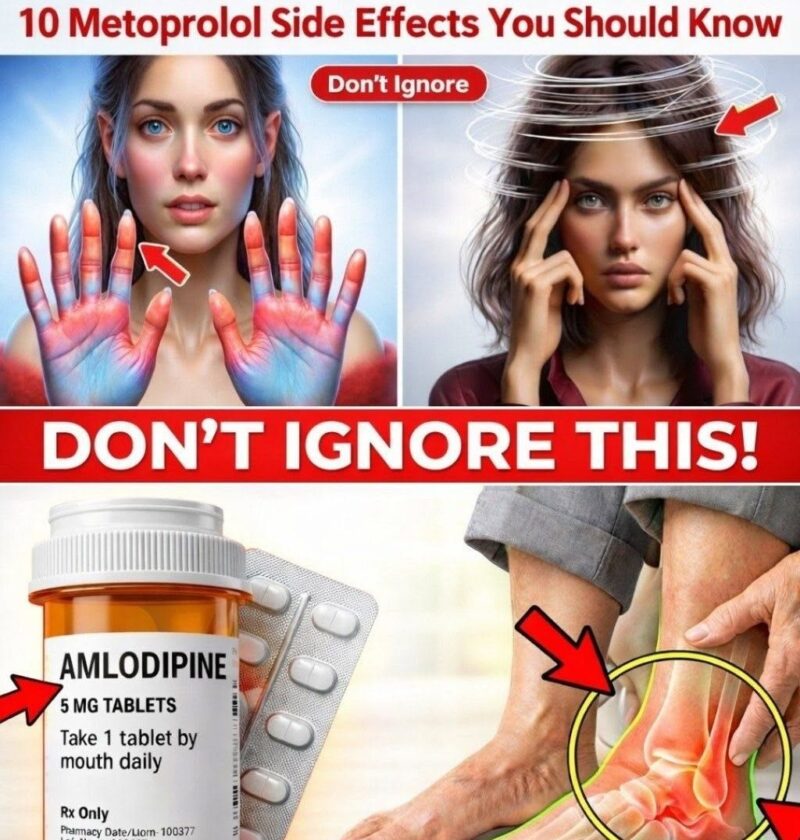
2. Dizziness or lightheadedness
Blood pressure and heart rate changes may cause dizziness, particularly when standing up quickly.
3. Slow heartbeat (bradycardia)
A lower heart rate is an intended effect, but a heartbeat that becomes too slow may cause weakness, fainting, or unusual fatigue.
4. Cold hands and feet
Reduced circulation to the extremities can make fingers and toes feel colder.
5. Sleep problems or vivid dreams
Some people report insomnia, restless sleep, or unusual dreams while taking beta-blockers.
6. Sexual side effects
Some people may experience reduced sexual desire or difficulty with sexual function.
7. Mood changes
A small number of people report feeling depressed or having mood changes. Persistent changes should be discussed with a healthcare professional.
8. Shortness of breath or wheezing
Metoprolol can sometimes worsen breathing symptoms in people with certain lung conditions, especially at higher doses.
9. Blood sugar warning signs may be harder to notice
In people with diabetes, beta-blockers can sometimes mask some symptoms of low blood sugar, such as a racing heartbeat.
10. Stopping suddenly can be dangerous
Abruptly stopping metoprolol may cause a rebound increase in heart rate, blood pressure, chest pain, or other heart problems. It should usually be tapered under medical guidance.
Contact a healthcare professional promptly if you have:
- Fainting or severe dizziness
- Very slow heartbeat
- New or worsening chest pain
- Severe shortness of breath or wheezing
- Swelling, rapid weight gain, or worsening heart failure symptoms
Many people take metoprolol safely and benefit from it. The right dose depends on your condition, age, other medicines, and overall health. If you share your metoprolol dose (for example 25 mg, 50 mg, 100 mg), why you take it, and any symptoms you’re noticing, I can help put them into context.