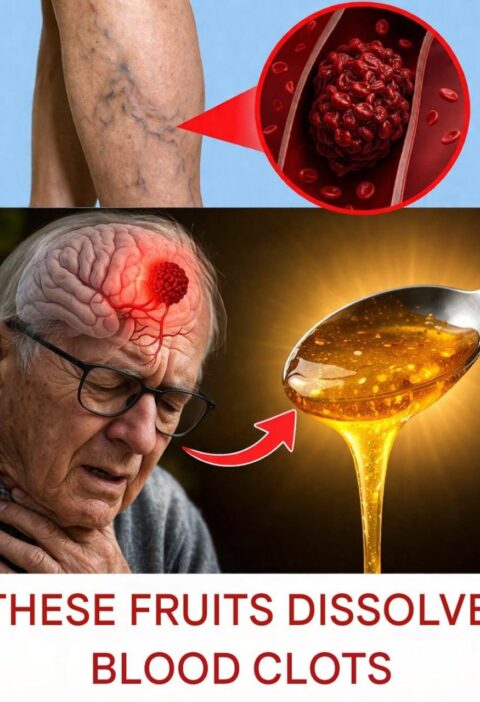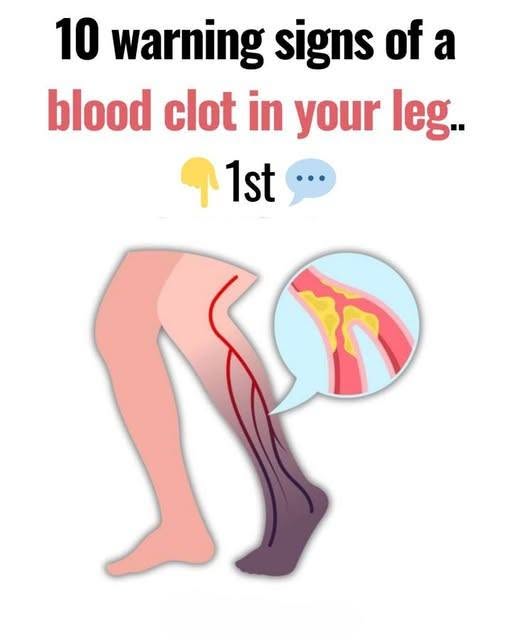
A blood clot in a deep vein of the leg, called deep vein thrombosis (DVT), is a serious condition because the clot can break loose and travel to the lungs, causing a pulmonary embolism.
Here are 10 warning signs that may suggest a DVT:
- Swelling in one leg – Often the most common sign, especially if it develops suddenly.
- Leg pain or tenderness – Usually in the calf or thigh and may feel like cramping or soreness.
- Warm skin – The affected area may feel warmer than the surrounding skin.
- Red or discolored skin – The leg may appear red, bluish, or darker than usual.
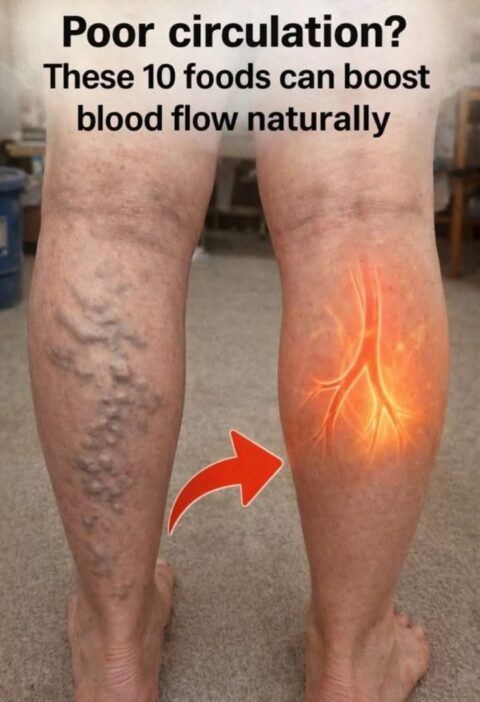
- Enlarged surface veins – Veins near the skin may become more visible.
- Pain when standing or walking – The discomfort may worsen with movement.
- Persistent calf tenderness – The calf remains sore even without an obvious injury.
- A feeling of tightness or fullness – The affected leg may feel unusually heavy or tight.
- One leg noticeably larger than the other – A difference in calf or thigh size can be a clue.
- Symptoms without an obvious cause – Especially if there’s no recent injury or muscle strain.
When to seek emergency care
Seek immediate medical attention if you have symptoms of a DVT and develop any of these signs of a pulmonary embolism:
- Sudden shortness of breath.
- Chest pain that may worsen with deep breaths.
- Coughing up blood.
- Rapid heartbeat.
- Feeling faint or collapsing.
Risk factors
Your risk of DVT is higher if you have:
- Recent surgery or hospitalization.
- Prolonged immobility (such as a long flight or bed rest).
- Pregnancy or the postpartum period.
- A personal or family history of blood clots.
- Cancer.
- Smoking.
- Obesity.
- Estrogen-containing medications, such as some birth control pills or hormone therapy.
It’s important to know that not everyone with a DVT has all of these symptoms, and some people have very few or none at all.
If you’re experiencing new swelling or pain in one leg, especially if it started suddenly or you have risk factors, you should seek prompt medical evaluation the same day. If you also have shortness of breath or chest pain, call your local emergency services immediately.