Mashed Potatoes: A Classic Comfort Food Guide
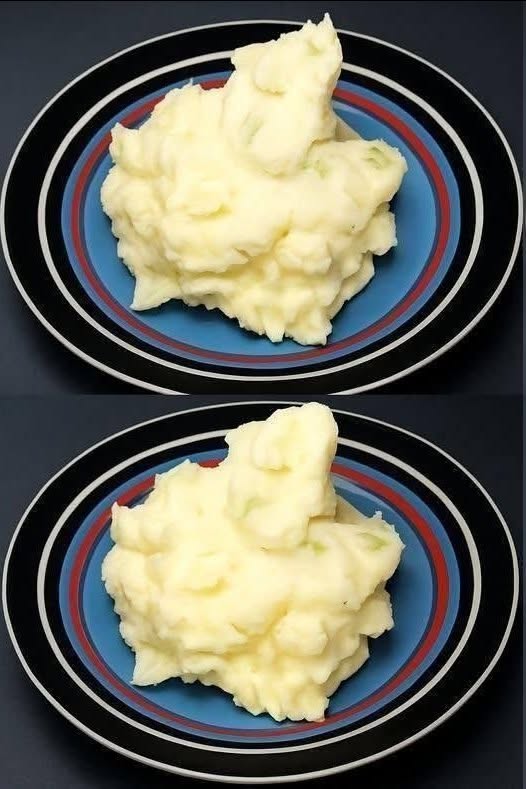
Mashed potatoes are a simple, comforting dish made by cooking potatoes until soft and then mashing them with ingredients such as butter, milk, cream, salt, and seasonings. They are a staple side dish in many cuisines and can range from light and fluffy to rich and creamy depending on how they are prepared.
Ingredients
- 2 pounds (about 1 kg) potatoes (Yukon Gold or Russet work well)
- 4 tablespoons butter
- ½ to 1 cup warm milk or cream (adjust for desired texture)
- 1 teaspoon salt (or to taste)
- ½ teaspoon black pepper
- Optional:
- Garlic (roasted or sautéed)
- Fresh herbs such as parsley or chives
- Sour cream or cream cheese for extra richness
How to Make Mashed Potatoes
1. Prepare the Potatoes
Wash, peel, and cut the potatoes into evenly sized pieces. Cutting them into similar sizes helps them cook evenly.
2. Boil the Potatoes
Place the potatoes in a pot and cover them with cold, salted water. Bring to a boil and cook for about 15–20 minutes, or until they are tender and easily pierced with a fork.
3. Drain and Dry
Drain the potatoes well. Let them sit for a minute or two so excess moisture can evaporate. This helps create a fluffier texture.
4. Mash the Potatoes
Mash the potatoes using a potato masher, ricer, or fork. Avoid overmixing, as excessive stirring can make mashed potatoes gluey.
5. Add Butter and Milk
Mix in butter first, then gradually add warm milk or cream until the potatoes reach your preferred consistency.
6. Season and Serve
Add salt, pepper, and any additional flavors. Serve warm with gravy, roasted meats, vegetables, or your favorite main dish.
Tips for Perfect Mashed Potatoes
- Use warm ingredients: Warm milk and melted butter blend more smoothly.
- Choose the right potatoes: Russets create fluffy mashed potatoes, while Yukon Golds give a naturally creamy texture.
- Do not overwork the potatoes: Too much mixing releases starch and can make them sticky.
- Season the cooking water: Potatoes absorb flavor while boiling.
Nutrition Overview
Mashed potatoes provide carbohydrates for energy and contain nutrients such as potassium and vitamin C. However, the nutritional content can vary greatly depending on how much butter, cream, cheese, or other additions are used.
A lighter version can be made by:
- Using less butter
- Replacing some cream with low-fat milk
- Adding vegetables such as cauliflower
- Keeping the potato skins for extra fiber
Variations
- Garlic mashed potatoes: Add roasted garlic for a rich, savory flavor.
- Loaded mashed potatoes: Mix in cheese, bacon, sour cream, and green onions.
- Herb mashed potatoes: Add rosemary, parsley, or chives.
- Dairy-free mashed potatoes: Use olive oil or plant-based milk instead of butter and cream.
Mashed potatoes remain popular because they are affordable, versatile, and easy to customize for almost any meal.