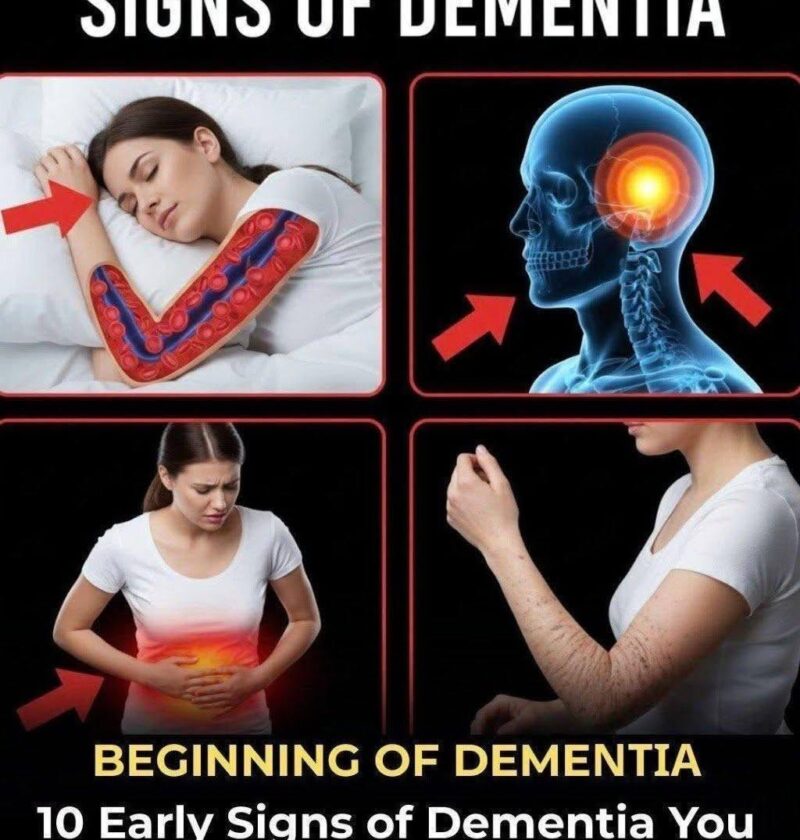
That headline is partly accurate but overly dramatic. Dementia often develops gradually, and early recognition can help people get evaluated and treated for reversible causes or begin appropriate care sooner.
Common early signs can include:
- Memory loss that disrupts daily life, especially forgetting recently learned information.
- Difficulty planning or solving problems, such as following familiar recipes or managing bills.
- Trouble completing familiar tasks, like driving a familiar route or using household appliances.
- Confusion about time or place.
- Problems understanding visual information, such as judging distances.
- Difficulty finding words or following conversations.
- Misplacing items and being unable to retrace steps.
- Poor judgment or decision-making.
- Withdrawal from work or social activities.
- Changes in mood or personality, such as increased anxiety, suspicion, or apathy.
These symptoms do not automatically mean someone has dementia. They can also be caused by conditions that may be treatable, including:
- Depression
- Medication side effects
- Thyroid disorders
- Vitamin B12 deficiency
- Sleep disorders
- Infections or other medical illnesses
If someone is experiencing persistent changes in memory or thinking that interfere with daily life, it’s a good idea to see a healthcare professional for an evaluation. Early assessment can help identify the cause and, if it is dementia, allow earlier planning and treatment.