What Is Atorvastatin and Why Is It Commonly Prescribed?
Atorvastatin is a medication in a group called statins. It is commonly prescribed to help lower LDL cholesterol (“bad” cholesterol) and reduce the risk of heart attacks and strokes.
It works by blocking an enzyme in the liver involved in making cholesterol. This causes the liver to remove more LDL cholesterol from the blood, which can help slow the buildup of fatty plaques in arteries (atherosclerosis).
Why doctors prescribe atorvastatin
Atorvastatin may be prescribed for people who:
- Have high LDL cholesterol
- Have a history of heart attack, stroke, or certain types of heart disease
- Have diabetes and an increased risk of cardiovascular disease
- Have a higher overall risk of developing heart disease based on factors such as age, blood pressure, smoking, and cholesterol levels
Possible benefits
- Lowers LDL cholesterol
- Reduces the risk of cardiovascular events such as heart attack and stroke
- Helps protect blood vessels from cholesterol-related plaque buildup
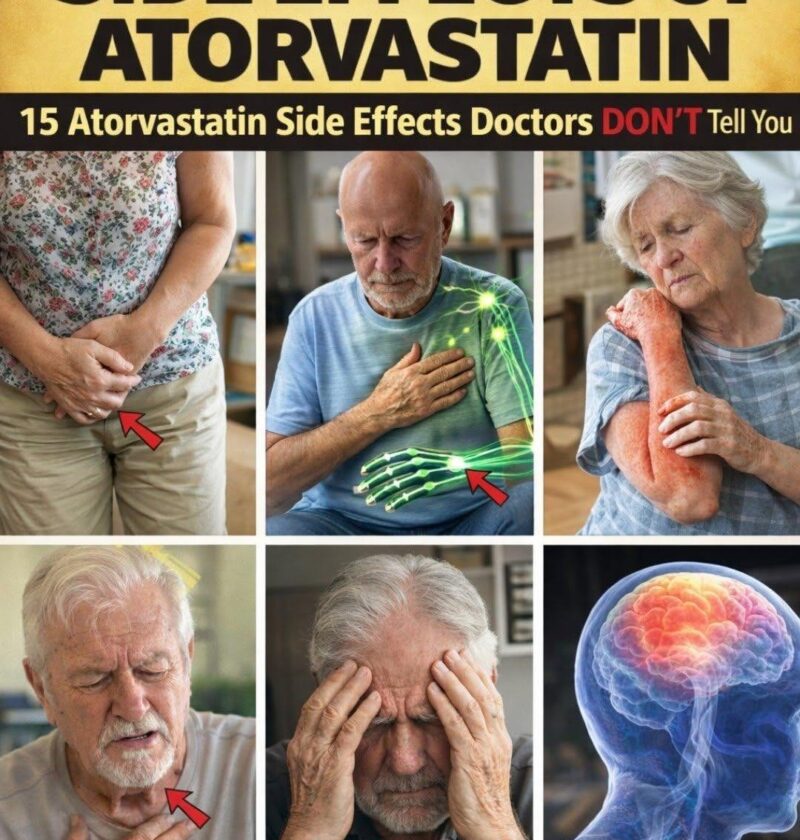
Possible side effects
Many people take atorvastatin without serious problems, but possible side effects include:
- Muscle aches or weakness
- Headache
- Digestive symptoms (such as nausea or diarrhea)
- Mild increases in liver enzymes on blood tests
Rarely, statins can cause a serious muscle injury called rhabdomyolysis, which may involve severe muscle pain, weakness, or dark-colored urine.
Important considerations
- Take it exactly as prescribed and do not stop it suddenly without discussing it with a healthcare professional.
- Tell your clinician about other medicines, supplements, or herbal products you take, because some can interact with atorvastatin.
- Lifestyle habits—such as a heart-healthy diet, regular activity, and avoiding smoking—work together with the medication to improve cardiovascular health.
Atorvastatin is widely used because it has strong evidence showing that lowering LDL cholesterol can reduce the risk of serious heart and blood vessel problems in appropriate patients.