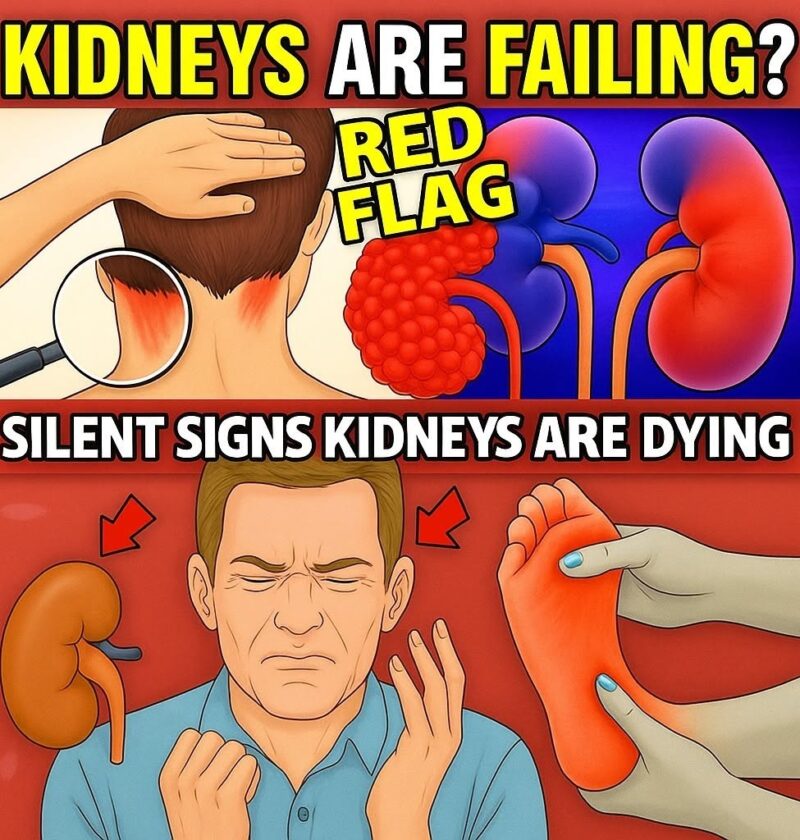
If you’re referring to the headline “10 Silent Signs Your Kidneys Are Failing — Most People Miss These,” it highlights a real issue: early kidney disease often has few or no symptoms. However, these signs are not proof of kidney failure by themselves and can have many other causes.
Possible signs that may occur when kidney function is declining include:
- Changes in urination
- Urinating much more or less than usual, especially at night.
- Foamy or bubbly urine
- May be a sign of protein leaking into the urine.
- Blood in the urine
- Should always be medically evaluated.
- Swelling (fluid retention)
- Puffiness around the eyes or swelling in the feet, ankles, legs, or hands.
- Unusual tiredness or weakness
- Kidney problems can contribute to anemia and fatigue.
- Difficulty concentrating or feeling mentally foggy
- Waste buildup in advanced kidney disease can affect how a person feels and functions.
- Persistent itching or dry skin
- Can occur with mineral and waste-balance problems in later stages.
- Nausea, poor appetite, or a metallic taste
- More common as kidney function becomes significantly reduced.
- Muscle cramps
- May be related to electrolyte or mineral imbalances.
- Shortness of breath
- Can occur from fluid buildup or anemia.
People at higher risk of kidney disease include those with diabetes, high blood pressure, heart disease, a family history of kidney disease, or long-term use of certain medications.
The only way to know how well your kidneys are working is through medical testing, such as:
- a blood test for creatinine and estimated glomerular filtration rate (eGFR),
- a urine test for protein or other abnormalities.
Seek medical care promptly for symptoms such as sudden major changes in urination, blood in urine, severe swelling, chest pain, confusion, or sudden shortness of breath.