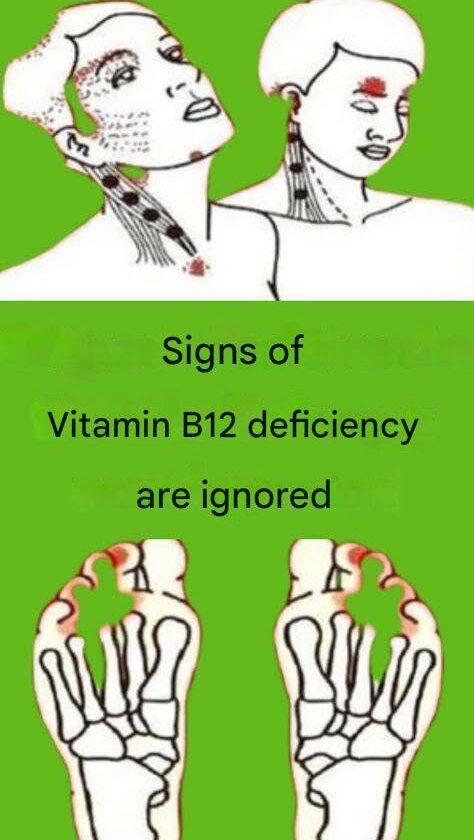
If you’re referring to the claim “Signs of vitamin B12 deficiency are ignored,” there is some truth to it: B12 deficiency can develop gradually and symptoms may be mistaken for normal aging, stress, or other conditions. However, these symptoms are not specific to B12 deficiency alone and need proper evaluation.
Possible signs of vitamin B12 deficiency include:
- Persistent tiredness or weakness
- B12 is needed to make healthy red blood cells, and deficiency can contribute to anemia.
- Tingling, numbness, or “pins and needles”
- Nerve symptoms, especially in the hands and feet, can occur.
- Balance problems or difficulty walking
- Nerve involvement may affect coordination.
- Memory problems or difficulty concentrating
- Some people report “brain fog” or mental slowing.
- Mood changes
- Low mood, irritability, or other changes may occur.
- Pale skin or a sore, smooth tongue
- Can be related to changes in blood cells or oral tissues.
- Shortness of breath or dizziness
- May occur if anemia develops.
- Vision or nerve-related changes
- Rarely, severe deficiency can affect nerves involved in vision.
People at higher risk include those with:
- limited intake of animal products (without adequate supplementation),
- older age,
- certain stomach or intestinal conditions,
- previous gastrointestinal surgery,
- some medications (such as long-term metformin or acid-reducing medicines).
A blood test can check B12 status, and treatment depends on the cause and severity. If you have new numbness, worsening balance problems, confusion, or significant weakness, it’s worth getting medical advice rather than assuming it is simply a vitamin issue.