How to Get Rid of Milia: Those Annoying “Fat Cysts”
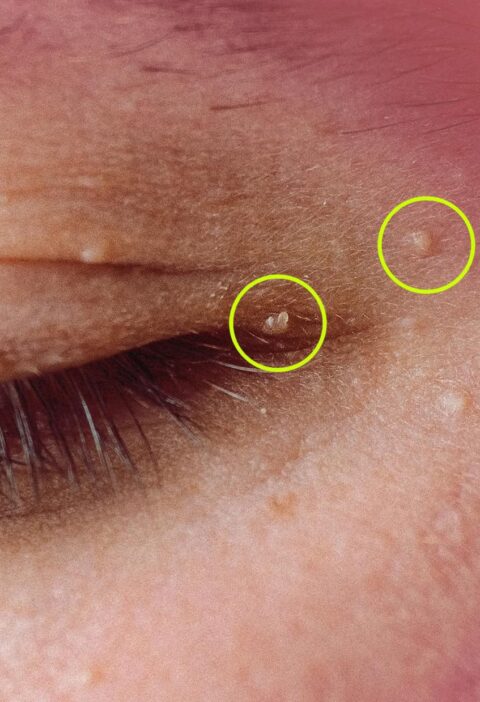
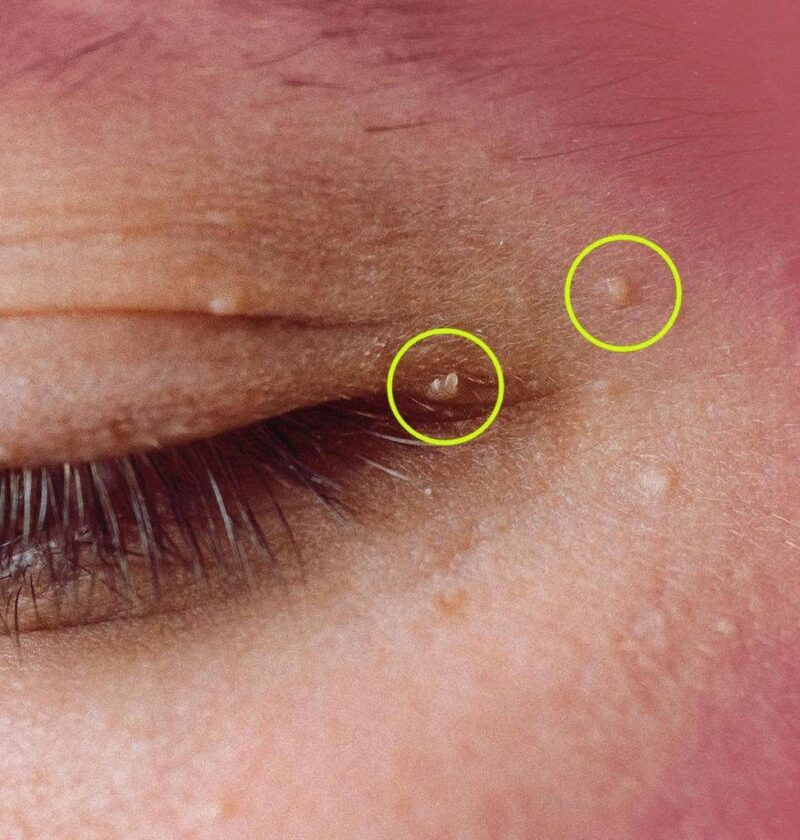
Milia are tiny, white or skin-colored bumps that often appear around the eyes, cheeks, nose, or forehead. They are sometimes mistaken for pimples, but they are not acne. Milia are small keratin-filled cysts that form when dead skin cells become trapped under the skin’s surface.
They are common at any age, including in adults.
Why do milia form?
Common factors include:
- Skin cell buildup
- Heavy or pore-clogging skin products
- Sun damage
- Skin injury or irritation
- Certain skin conditions
- Natural changes in skin renewal with age
Ways to Help Remove or Reduce Milia
1. Don’t squeeze or pick them
Unlike pimples, milia usually do not have an opening. Trying to pop them can cause:
- Skin damage
- Scarring
- Infection
- More irritation
2. Use gentle exfoliation
Ingredients that help increase skin turnover may reduce milia over time:
- Retinoids (such as retinol or prescription retinoids)
Help encourage new skin cell turnover. - Alpha hydroxy acids (AHAs) such as glycolic acid
Help remove dead skin buildup. - Beta hydroxy acid (salicylic acid)
May help some people with clogged pores.
Start slowly, especially around the eye area, because irritation can make skin problems worse.
3. Keep skincare simple
Helpful habits:
- Use a gentle cleanser
- Avoid very thick creams around the eyes if they seem to trigger bumps
- Use non-comedogenic moisturizers
- Wear sunscreen daily
4. Professional removal
A dermatologist or trained skin professional can remove stubborn milia safely using methods such as:
- Sterile extraction
- A small procedure to open and remove the cyst
- Other treatments depending on the case
What about home remedies?
Many online remedies suggest using oils, scrubs, or harsh treatments. These may irritate the skin and usually do not remove true milia.
Avoid:
- Aggressive scrubbing
- Poking with needles at home
- Strong acids near the eyes without guidance
When to see a dermatologist
Consider professional advice if:
- The bumps persist for months
- They are spreading
- They become irritated or inflamed
- You are unsure whether they are milia or another skin condition
Bottom line: Milia are harmless in most cases, but they often require patience or professional removal rather than squeezing. Gentle skin care and appropriate exfoliating ingredients can help prevent new ones from forming.