The headline “Your Feet Are a ‘Blood Sugar Meter'” is misleading. While diabetes can affect the feet, foot symptoms alone cannot diagnose diabetes. The only way to confirm diabetes is with blood tests, such as a fasting blood glucose or an HbA1c test.
That said, persistently high blood sugar can damage nerves and blood vessels, leading to foot problems over time.
Common foot symptoms that may occur in people with diabetes include:
- Numbness or reduced sensation.
- Tingling or “pins and needles.”
- Burning or shooting pain, especially at night.
- Loss of ability to feel heat, cold, or injuries.
- Slow-healing cuts, blisters, or sores.
- Frequent foot infections.
- Dry, cracked skin.
- Changes in skin color or temperature.
- Swelling of the feet or ankles.
- Thickened, discolored, or fungal toenails.
- Foot deformities, such as hammertoes or changes in foot shape.
- Ulcers or open wounds that do not heal.
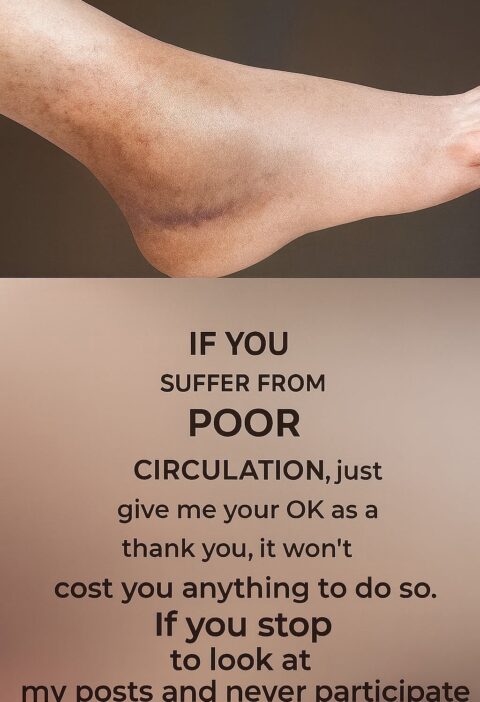
These symptoms can also be caused by many other conditions, including vitamin deficiencies, poor circulation, nerve compression, infections, or other neurological disorders.
You should consider seeing a healthcare professional if you:
- Have persistent numbness, tingling, or burning in your feet.
- Develop a sore that isn’t healing.
- Notice redness, warmth, swelling, or signs of infection.
- Have risk factors for diabetes (such as being overweight, having a family history, or previous high blood sugar) and are experiencing symptoms like increased thirst, frequent urination, unexplained weight loss, or blurred vision.
If you have diabetes, checking your feet every day, wearing well-fitting shoes, and having regular foot examinations can help prevent serious complications