10 Indicators of Blocked Arteries You Shouldn’t Ignore
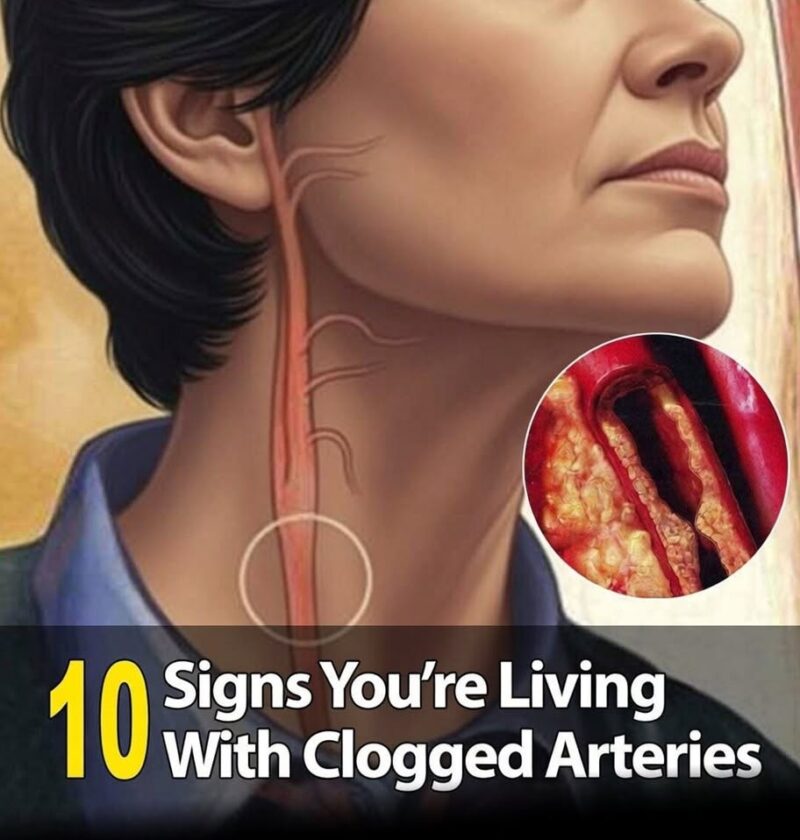
Blocked arteries can develop gradually when plaque builds up inside blood vessels, reducing blood flow to the heart, brain, or other parts of the body. Recognizing possible warning signs and seeking medical advice when needed can help identify problems early.
1. Chest Discomfort or Pressure
A feeling of tightness, heaviness, squeezing, or pressure in the chest—especially during activity—can be a warning sign of reduced blood flow to the heart.
2. Shortness of Breath
Difficulty breathing during normal activities or without an obvious cause may occur when the heart is not receiving enough oxygen-rich blood.
3. Pain That Spreads to Other Areas
Heart-related discomfort may sometimes spread to the shoulders, arms, neck, jaw, or back.
4. Unusual Fatigue
Feeling extremely tired during routine activities can sometimes be linked to reduced circulation or heart strain.
5. Dizziness or Lightheadedness
Reduced blood flow or heart-related issues may cause episodes of dizziness, weakness, or feeling faint.
6. Leg Pain During Walking
Pain, cramping, or heaviness in the legs that improves with rest may be a sign of reduced blood flow in the leg arteries.
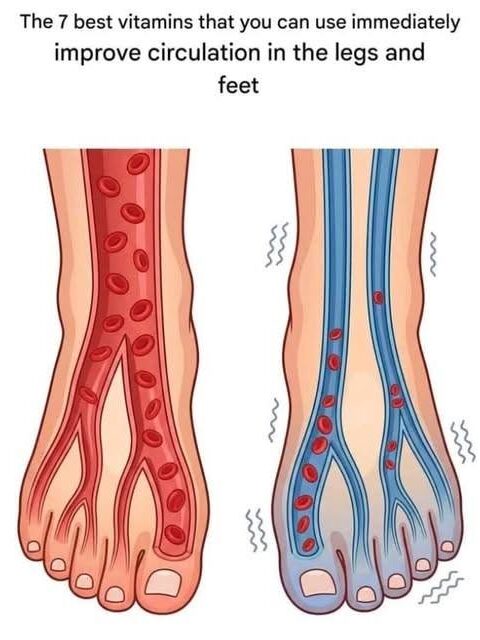
7. Cold or Numb Extremities
Poor circulation can cause hands or feet to feel unusually cold, numb, or tingling.
8. Slow-Healing Wounds
Cuts or sores—especially on the feet—that take longer than expected to heal may indicate circulation problems.
9. Irregular Heartbeats or Palpitations
Some people experience noticeable heart pounding, fluttering, or irregular rhythms alongside cardiovascular problems.
10. Sudden Neurological Symptoms
Sudden weakness on one side of the body, trouble speaking, confusion, or vision changes can be signs of a stroke and require urgent medical attention.
When to Seek Help
Symptoms such as severe chest pressure, sudden shortness of breath, fainting, or signs of stroke should be treated as emergencies. Regular checkups, blood pressure monitoring, healthy eating, physical activity, and managing cholesterol and blood sugar can help support artery health.
Important: These symptoms can have many causes and do not confirm blocked arteries on their own. A healthcare professional can provide proper evaluation and testing.
I can also turn this into a short Facebook health post, “silent signs of clogged arteries” format, or an infographic-style list.