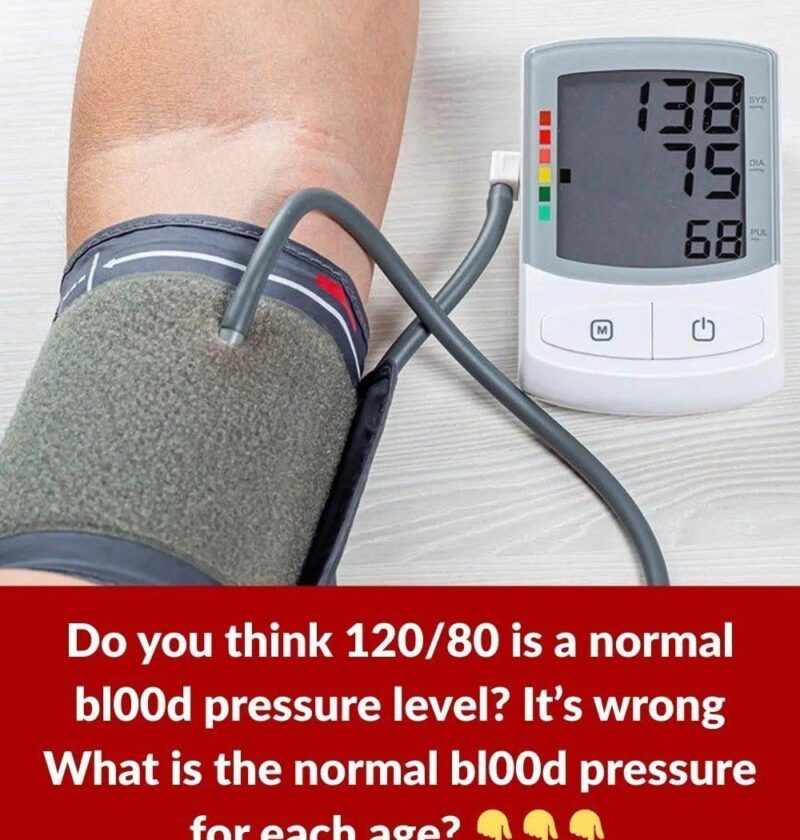
Normal Blood Pressure by Age: What’s Considered Healthy?
There is not one “normal” blood pressure number for each age. In general, blood pressure targets are similar for most adults, but doctors consider a person’s overall health, medications, and medical conditions.
Blood pressure is written as systolic/diastolic (top number/bottom number):
- Systolic: pressure when the heart beats
- Diastolic: pressure when the heart relaxes
General adult blood pressure ranges
| Age group | Common healthy range (approx.) |
|---|---|
| Children | Varies greatly by age, height, and sex |
| Teens (13–17) | Around <120/<80 mmHg |
| Adults (18–64) | Around <120/<80 mmHg is considered normal |
| Older adults (65+) | Often still aim for around <130/80 mmHg, but targets may be individualized |
Blood pressure categories (adults)
- Normal: Less than 120/80 mmHg
- Elevated: 120–129 and less than 80 mmHg
- High blood pressure (Stage 1): 130–139 or 80–89 mmHg
- High blood pressure (Stage 2): 140 or higher or 90 or higher
- Very high: 180/120 mmHg or higher (especially with symptoms, requires urgent attention)
Factors that affect blood pressure
A reading can temporarily rise because of:
- Stress or anxiety
- Exercise
- Caffeine
- Pain
- Poor sleep
- Certain medications
A single high reading does not always mean someone has hypertension. Repeated measurements taken correctly are usually needed.
If you share the person’s age and blood pressure reading (for example, 145/90), I can help explain what that number means.