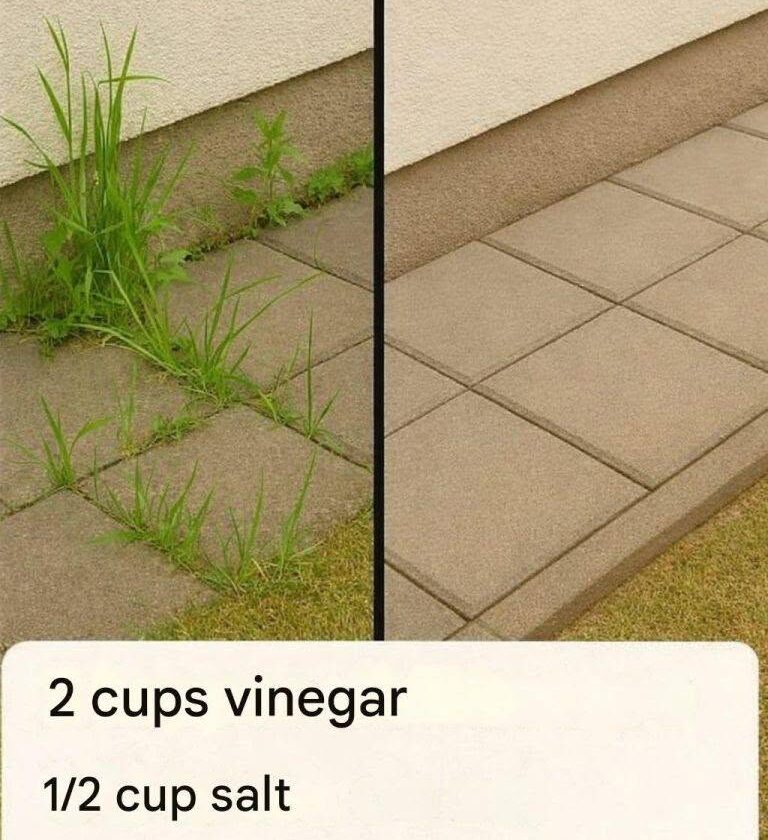
If you mean a homemade weed killer, many recipes online claim to be “super effective,” but some can damage soil, nearby plants, pets, or surfaces. The safest approach depends on where the weeds are growing (lawn, driveway cracks, garden beds, etc.).
Simple lower-risk options
1. Hand removal + prevention (most effective long-term)
- Pull weeds after rain when the soil is soft.
- Remove as much of the root as possible.
- Add mulch (wood chips, straw, or compost) around desired plants to block new growth.
2. Boiling water (for cracks and hard surfaces)
- Pour boiling water directly onto weeds growing in places like pavement cracks.
- It can kill the plant tissue it contacts.
- Avoid using it near wanted plants because it can harm roots.
3. Smothering
- Cover weeds with cardboard, newspaper layers, or landscape fabric, then add mulch.
- This blocks sunlight and gradually weakens many weeds.
Be cautious with vinegar-based mixtures
High-strength vinegar products are sometimes used as weed killers, but:
- They can burn leaves quickly without killing deep roots.
- They may harm nearby plants.
- Stronger horticultural vinegar can irritate skin and eyes and requires careful handling.
For a lasting result
The best method depends on the weed type:
- Annual weeds: often controlled by pulling, mulching, or surface treatments.
- Deep-rooted perennial weeds: usually require repeated removal or a targeted herbicide.
If you tell me where the weeds are (lawn, garden, driveway, tiles, farm area) and what type of weeds they are, I can suggest the most effective approach.