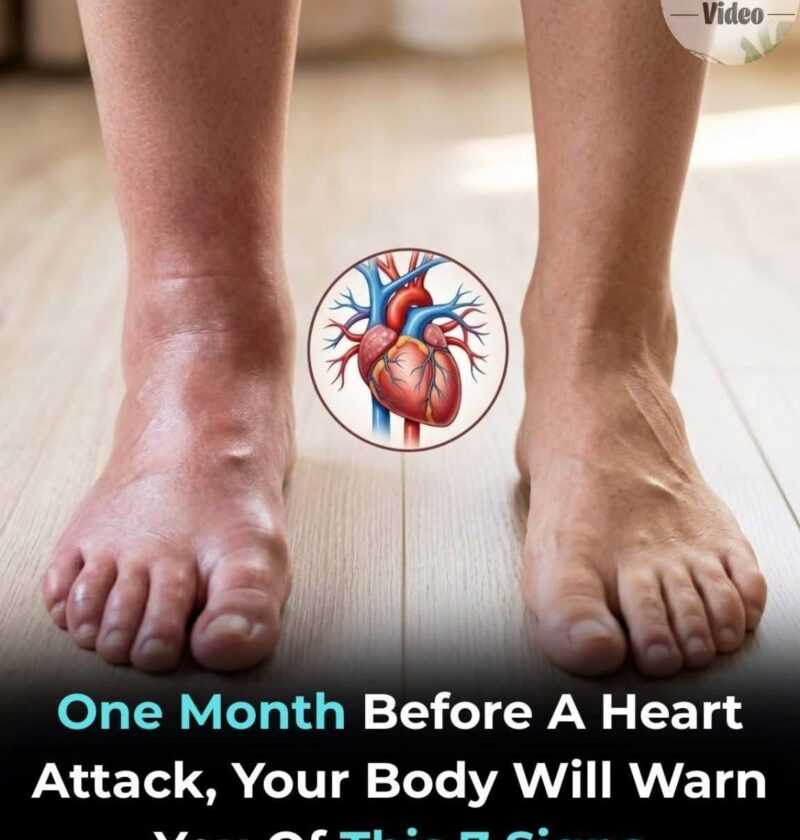
However, some foot and leg changes can be signs of circulatory or cardiovascular disease, which may increase a person’s overall risk of heart attack or stroke.
Foot and Leg Symptoms That Deserve Medical Attention
1. Swelling in the feet or ankles
Persistent swelling may be caused by many conditions, including heart failure, kidney disease, liver disease, certain medications, or problems with the veins.
2. Cold feet
Feet that are consistently colder than usual may be a sign of reduced blood flow, especially if accompanied by pain or color changes.
3. Pain when walking
Cramping or aching in the calves, thighs, or feet during walking that improves with rest may be a sign of peripheral artery disease (PAD), a condition caused by narrowed arteries.
4. Slow-healing wounds
Cuts or sores on the feet that do not heal can result from poor circulation, diabetes, or both.
5. Changes in skin color
Pale, bluish, or unusually shiny skin on the feet or legs may indicate reduced blood flow.
6. Weak or absent pulses in the feet
This is something a healthcare professional checks during an examination and can suggest impaired circulation.
Heart Attack Symptoms to Know
A heart attack usually causes symptoms during the event, not predictable foot warning signs weeks beforehand. Seek emergency medical care immediately if you experience:
- Chest pain, pressure, or tightness
- Pain spreading to the arm, shoulder, neck, jaw, or back
- Shortness of breath
- Cold sweat
- Nausea or vomiting
- Sudden lightheadedness or fainting
Some people—especially women, older adults, and people with diabetes—may have less typical symptoms, such as unusual fatigue, shortness of breath, or discomfort rather than severe chest pain.
Bottom Line
Foot changes can sometimes indicate poor circulation or other medical conditions, but they do not reliably predict that a heart attack will occur in a month. If you notice persistent swelling, pain while walking, non-healing sores, or significant color changes in your feet, it’s worth discussing them with a healthcare professional. If you have symptoms of a possible heart attack, seek emergency medical care right away.