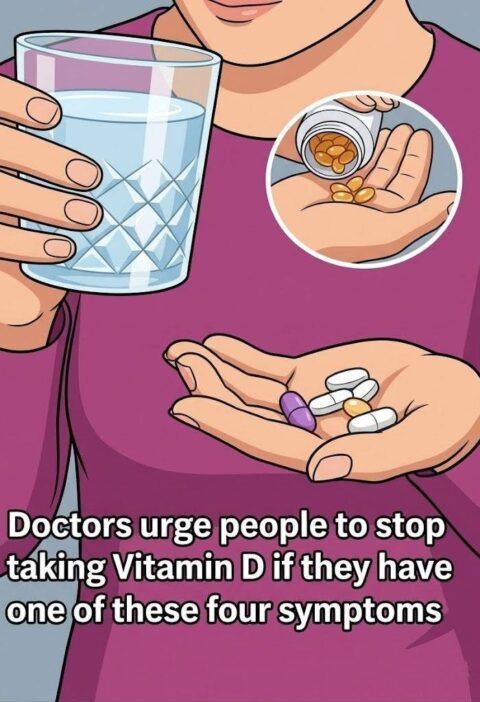
The headline “Stop taking vitamin D immediately if you have these symptoms” can be misleading. If you develop concerning symptoms while taking supplements, it is better to contact a healthcare professional for advice rather than stopping a medically prescribed treatment without guidance.
4 Symptoms That May Suggest Too Much Vitamin D
Excess vitamin D can raise calcium levels in the blood (hypercalcemia), which may cause:
1. Nausea, vomiting, or loss of appetite
High calcium levels can affect the digestive system and reduce appetite.
2. Excessive thirst and frequent urination
These can occur when calcium levels become too high and affect kidney function.
3. Weakness, fatigue, or confusion
High calcium can affect muscles, nerves, and overall energy levels.
4. Kidney-related symptoms
Possible warning signs include:
- Flank or kidney-area pain
- Kidney stones
- Changes in urination
Who Should Be Extra Careful With Vitamin D Supplements?
Talk with a healthcare professional before taking high-dose vitamin D if you have:
- Kidney disease
- A history of kidney stones
- Certain calcium-related disorders
- Conditions affecting vitamin D metabolism
- Medications that may interact with supplements
How Much Vitamin D Is Safe?
The appropriate amount depends on factors such as age, health status, sun exposure, diet, and blood levels. More is not always better—very high doses should generally be taken only under medical supervision.
Bottom Line
Vitamin D can be beneficial when a person needs it, but excessive supplementation can be harmful. If you experience unusual symptoms while taking vitamin D, especially nausea, extreme thirst, confusion, or changes in urination, seek medical advice to determine the cause.