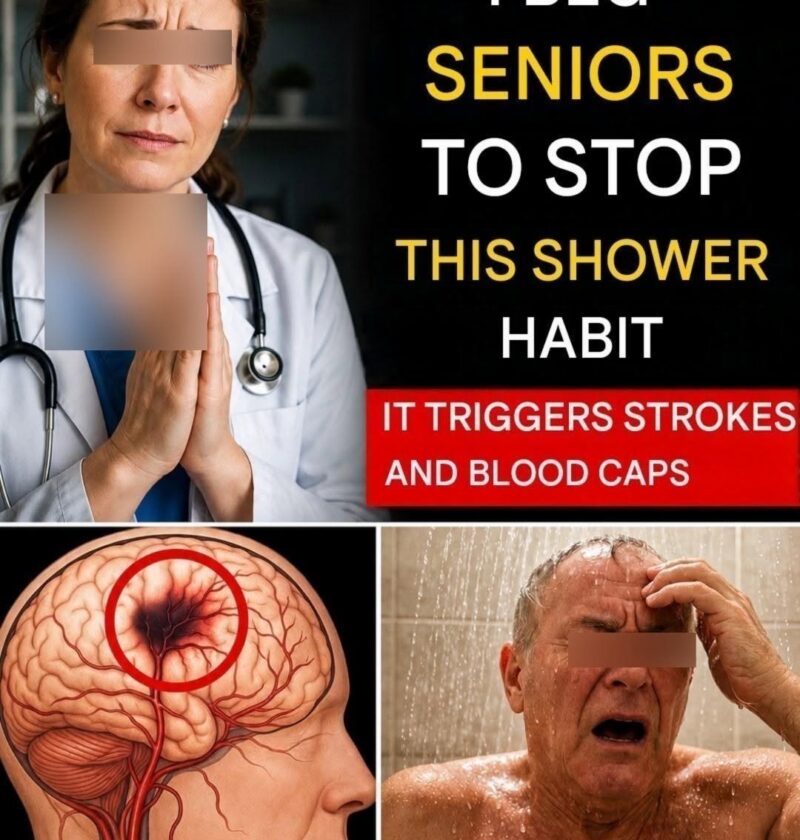
The headline “The brain specialist: I’m shocked — This shower habit increases the risk of stroke overnight” is written like a health scare headline, but the claim needs context.
There is no strong scientific evidence that a normal shower habit by itself causes strokes overnight. However, some shower-related situations can be risky for older adults, especially those with heart or blood vessel problems:
- Very hot showers or hot baths: Heat can widen blood vessels and lower blood pressure, which may cause dizziness, fainting, or falls—especially in people taking blood pressure medicines.
- Sudden temperature changes: Moving quickly from a very hot shower to a cold environment may put temporary stress on the cardiovascular system.
- Standing up quickly after a shower: Warm water can contribute to lightheadedness from a drop in blood pressure (orthostatic hypotension).
- Dehydration or illness: These can make blood pressure fluctuations more likely.
For seniors, safer shower habits include:
- Use warm rather than extremely hot water.
- Avoid sudden temperature changes.
- Install grab bars or use a shower seat if balance is a concern.
- Stand up slowly after sitting or bathing.
- Keep the bathroom well ventilated and avoid overheating.
Common stroke warning signs include face drooping, arm weakness, speech difficulty, sudden confusion, sudden vision problems, severe headache, or loss of balance. These require urgent medical attention.
If you have the specific “shower habit” mentioned in the article/video, share it and I can help evaluate whether the claim is supported by medical evidence.