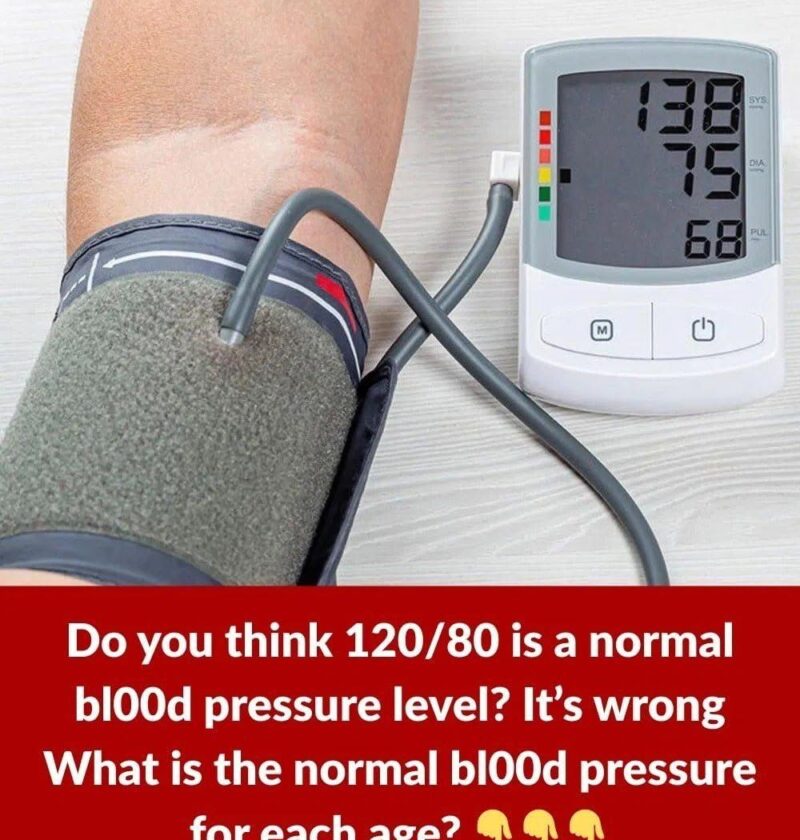
Blood pressure does not have one “normal” number for each age. Unlike some body measurements, a healthy blood pressure range is generally based on overall cardiovascular risk, not age alone. Blood pressure often rises with age, but higher readings are not automatically considered healthy.
A commonly used guide for adults:
| Age group | Typical healthy blood pressure goal |
|---|---|
| Children & teenagers | Varies by age, sex, and height (requires pediatric charts) |
| 18–39 years | Around 90/60 to below 120/80 mmHg is generally considered healthy |
| 40–59 years | Around 90/60 to below 120/80 mmHg is still a common target |
| 60+ years | Many guidelines aim for below 130/80 mmHg for many adults, depending on health status |
Blood pressure categories for adults:
- Normal: Less than 120/80 mmHg
- Elevated: 120–129 / less than 80
- High blood pressure (Stage 1): 130–139 or 80–89
- High blood pressure (Stage 2): 140 or higher or 90 or higher
- Very high: 180/120 or higher (especially with symptoms, requires urgent attention)
A few things can temporarily raise blood pressure:
- Stress or anxiety
- Exercise
- Caffeine
- Pain
- Smoking
- Poor sleep
- Measuring immediately after activity
For an accurate reading:
- Sit quietly for about 5 minutes first.
- Keep feet flat on the floor.
- Rest your arm at heart level.
- Take more than one reading on different days.
If you tell me the person’s age, blood pressure reading (for example 145/85), and whether they take blood pressure medicine, I can help interpret what it means.