8 Warning Signs of Stroke That May Appear Before It Happens
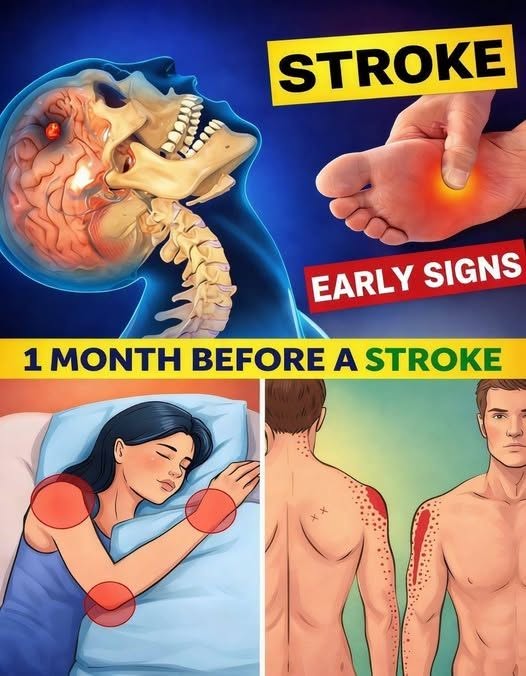
A stroke often occurs suddenly, but some people experience warning symptoms (sometimes called transient ischemic attacks or TIAs) before a major stroke. A TIA can happen minutes to hours before a stroke, and in some cases symptoms may appear earlier. Any stroke-like symptom should be treated as a medical emergency.
Possible warning signs include:
- Sudden weakness or numbness
- Especially on one side of the face, arm, or leg.
- Trouble speaking or understanding speech
- Slurred words, confusion, or difficulty finding words.
- Sudden vision problems
- Blurred vision, double vision, or loss of vision in one or both eyes.
- Dizziness or loss of balance
- Difficulty walking, coordination problems, or feeling unusually unsteady.
- Severe or unusual headache
- A sudden, intense headache that is different from usual, especially with other symptoms.
- Facial drooping
- One side of the face may feel weak or appear uneven.
- Confusion or difficulty thinking clearly
- Sudden changes in awareness or mental ability.
- Unexplained fatigue or weakness
- Persistent unusual tiredness may be a sign of health problems that increase stroke risk, though it is not specific to stroke.
Remember FAST:
- F — Face: Is one side of the face drooping?
- A — Arms: Can both arms be raised?
- S — Speech: Is speech clear?
- T — Time: Call emergency services immediately if these signs appear.
9 Tips to Help Prevent Stroke
- Control blood pressure
- High blood pressure is one of the strongest stroke risk factors. Check it regularly and follow treatment plans.
- Manage cholesterol
- Reduce LDL (“bad”) cholesterol through diet, exercise, and medications if prescribed.
- Avoid smoking and tobacco
- Smoking damages blood vessels and increases clot risk.
- Exercise regularly
- Aim for regular moderate activity, such as brisk walking, unless your doctor advises otherwise.
- Eat a heart-healthy diet
- Choose more vegetables, fruits, whole grains, beans, nuts, and lean proteins.
- Limit excess salt, processed foods, and unhealthy fats.
- Maintain a healthy weight
- Excess weight can increase blood pressure, diabetes risk, and heart strain.
- Control diabetes
- Keep blood sugar levels within your target range with medical guidance.
- Limit alcohol
- Excess alcohol intake can raise blood pressure and stroke risk.
- Manage stress and sleep well
- Poor sleep and chronic stress can contribute to cardiovascular risk.
If you or someone nearby develops sudden face drooping, arm weakness, speech difficulty, severe dizziness, or a sudden severe headache, seek emergency medical help immediately—do not wait to see if it improves.