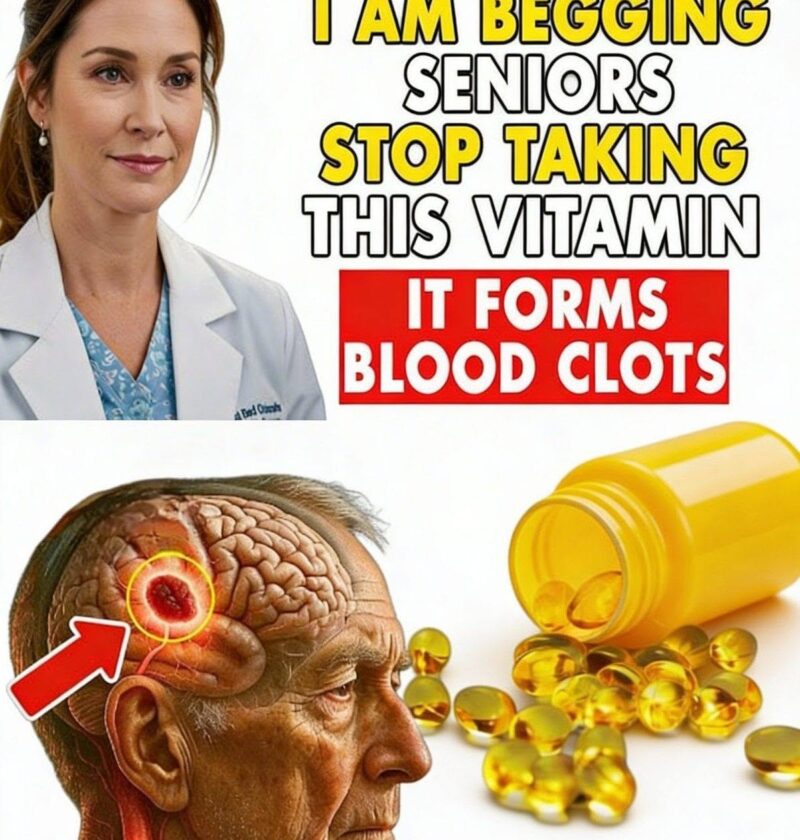
The headline “As a brain doctor, I’m shocked this vitamin raises stroke risk overnight” is a sensational claim. There is no vitamin proven to suddenly cause a stroke overnight in healthy people. However, some vitamin supplements can be harmful in certain situations, especially when taken in high doses or without medical guidance.
A few important examples:
1. High-dose vitamin E
- Large doses of vitamin E supplements have been linked in some studies to a higher risk of bleeding, including a possible increased risk of certain types of stroke (especially hemorrhagic stroke).
- This does not mean normal dietary vitamin E from foods is dangerous.
2. Excess vitamin A
- Very high doses of vitamin A supplements can be toxic and may affect the liver and cardiovascular health.
- Extra caution is needed with long-term high-dose use.
3. Supplements that interact with blood thinners
- Some supplements can affect clotting or interact with medicines such as warfarin and other anticoagulants.
- This can change bleeding or clotting risk.
What actually raises stroke risk most strongly:
- High blood pressure
- Smoking
- Diabetes
- High LDL cholesterol
- Atrial fibrillation (irregular heartbeat)
- Lack of physical activity
- Excess alcohol intake
Bottom line: Vitamins are not automatically safe just because they are “natural,” but most people do not need to fear standard doses recommended by healthcare professionals. Before taking high-dose supplements—especially if you are older or take heart, blood pressure, or blood-thinning medicines—check with a clinician.