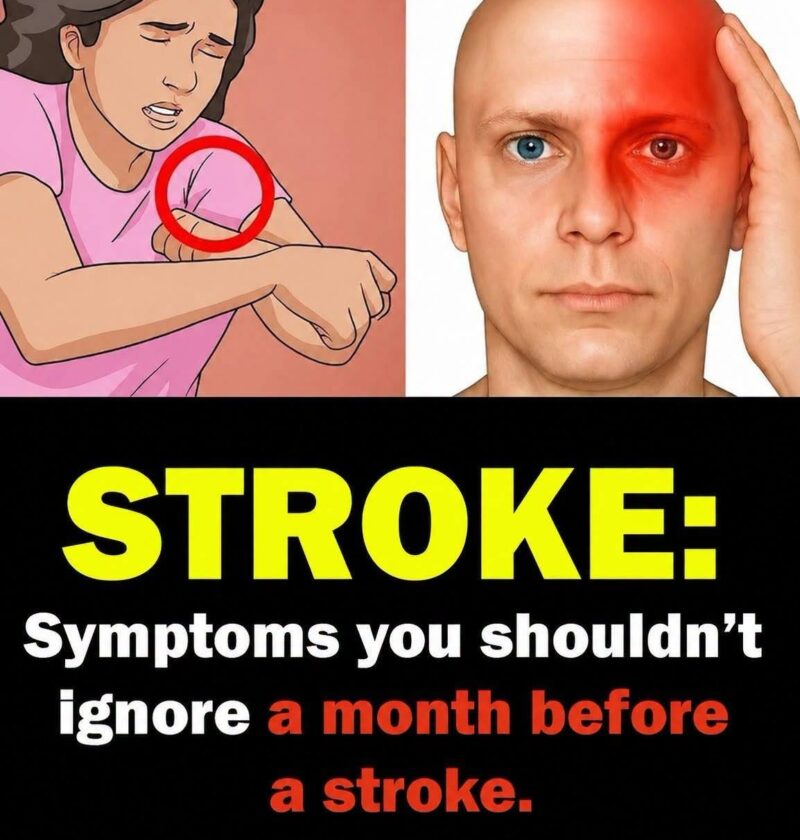
A stroke happens when blood flow to part of the brain is interrupted or when a blood vessel in the brain bleeds. Recognizing the warning signs and getting emergency medical care immediately can save brain function and lives.
Common warning signs of a stroke
The easiest way to remember the most important signs is F.A.S.T.:
- F – Face drooping: One side of the face droops or feels numb. Ask the person to smile—one side may not move normally.
- A – Arm weakness: One arm feels weak or numb. Ask the person to raise both arms—one may drift downward.
- S – Speech difficulty: Speech may be slurred, hard to understand, or the person may have trouble finding words.
- T – Time to call emergency services: If any of these signs appear, seek emergency medical help immediately, even if they go away.
Other possible stroke symptoms
- Sudden numbness or weakness of the face, arm, or leg, especially on one side of the body
- Sudden confusion or difficulty understanding speech
- Sudden vision loss or blurred vision in one or both eyes
- Sudden trouble walking, dizziness, loss of balance, or poor coordination
- Sudden, severe headache with no known cause (more common with bleeding in the brain)
A transient ischemic attack (TIA)
Sometimes stroke-like symptoms last only a few minutes and then resolve. This is called a transient ischemic attack (TIA) or “mini-stroke.” A TIA is a medical emergency because it can be a warning that a full stroke may occur soon.
When to seek emergency care
Call your local emergency services immediately if you or someone else develops any sudden stroke symptoms. Do not wait to see if they improve or drive yourself if emergency transport is available. Early treatment can greatly improve the chances of recovery.
Reducing stroke risk
You can lower your risk by:
- Controlling high blood pressure
- Managing diabetes and high cholesterol
- Not smoking
- Exercising regularly
- Eating a balanced diet
- Taking prescribed medications as directed, especially if you have atrial fibrillation or other heart conditions
If you’re asking because you or someone else is having these symptoms right now, treat it as an emergency and seek immediate medical care.