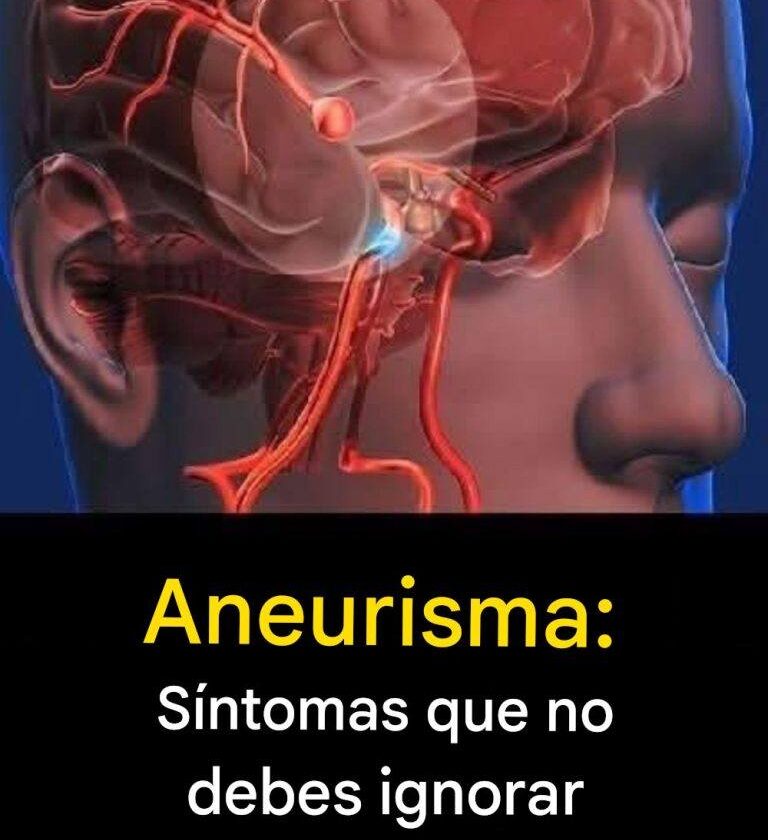
An aneurysm (a weakened, bulging area in a blood vessel) can stay silent for a long time—but when it becomes dangerous or ruptures, it can turn into a medical emergency very quickly. The key is recognizing warning signs early, even if they seem sudden or unusual.
Here are symptoms you shouldn’t ignore:
Sudden, severe “worst headache of life”
This is a classic warning sign of a brain (cerebral) aneurysm rupture or bleeding in the brain. People often describe it as a thunderclap headache that peaks within seconds to minutes. It may come with:
- Nausea or vomiting
- Neck stiffness
- Sensitivity to light
- Loss of consciousness or confusion
Neurological changes (brain aneurysm warning signs)
If an aneurysm presses on brain structures or begins leaking, you may notice:
- Sudden blurred or double vision
- Drooping eyelid or unequal pupils
- Weakness or numbness in the face, arm, or leg
- Difficulty speaking or understanding speech
- Seizures
These can look similar to a stroke and require emergency care.
Sudden chest, back, or abdominal pain
This is especially important for an aortic aneurysm (in the large artery from the heart). A rupture or dissection may cause:
- Sharp, tearing, or ripping pain in the chest or back
- Pain that moves to the abdomen or legs
- Sudden shortness of breath
- Fainting or collapse
- Cold, clammy skin or signs of shock
A pulsating feeling or mass
Sometimes (more often in abdominal aneurysms), people notice:
- A strong pulse in the abdomen
- A visible or palpable throbbing lump
- Deep, persistent abdominal or back pain
Important reality check
Most aneurysms—especially small ones—don’t cause symptoms until they become dangerous. That’s why many are found incidentally on scans.
The condition Aneurysm becomes life-threatening mainly when it ruptures, leading to internal bleeding in the brain, chest, or abdomen. That’s a true emergency where minutes matter.
When to seek emergency help
Call emergency services immediately if there is:
- Sudden severe headache unlike anything before
- Collapse or loss of consciousness
- Sudden severe chest/back/abdominal pain
- New neurological symptoms (speech, vision, weakness)
If you want, I can also explain risk factors (like high blood pressure, smoking, or family history) or how aneurysms are detected before they rupture.