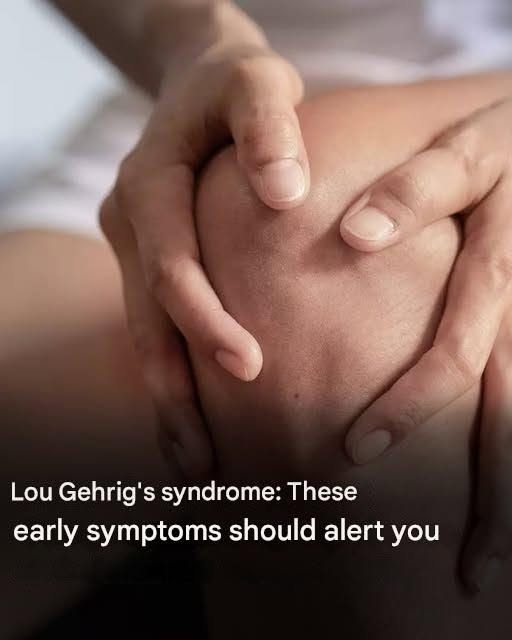
Lou Gehrig’s Syndrome (ALS): Early Symptoms to Know
Lou Gehrig’s syndrome is another name for Amyotrophic Lateral Sclerosis (ALS), a progressive disease that affects the nerve cells (motor neurons) that control voluntary muscles. As these nerve cells are damaged, muscles gradually become weaker.
Early symptoms can vary from person to person and often develop gradually.
Common Early Symptoms
1. Muscle Weakness
One of the first signs is weakness that may affect:
- A hand or arm
- A foot or leg
- The shoulder
People may notice difficulty with tasks such as turning a key, buttoning clothes, or climbing stairs.
2. Muscle Twitching (Fasciculations)
Small, involuntary muscle twitches may occur, often in the:
- Arms
- Legs
- Shoulders
- Tongue
Muscle twitching alone is common and is not usually caused by ALS.
3. Muscle Cramps
Some people experience frequent muscle cramps or stiffness early in the disease.
4. Tripping or Falling More Often
Weakness in the legs or feet may cause:
- Frequent stumbling
- Foot drop
- Difficulty walking
5. Difficulty Speaking
Speech may become:
- Slurred
- Softer than usual
- Harder for others to understand
6. Difficulty Swallowing
Some people notice:
- Choking while eating or drinking
- Trouble swallowing certain foods
- Frequent coughing during meals
7. Weak Grip
Everyday tasks may become more difficult, such as:
- Opening jars
- Carrying objects
- Writing
8. Unexplained Weight Loss
Weight loss can occur as swallowing becomes more difficult or muscles gradually shrink.
Symptoms That Are Usually Not Early Signs of ALS
ALS typically does not cause:
- Loss of sensation or numbness
- Problems with bladder or bowel control in the early stages
- Severe pain as an initial symptom
These symptoms may point to other medical conditions.
When to See a Healthcare Professional
Make an appointment if you develop:
- Progressive muscle weakness
- Persistent difficulty speaking or swallowing
- Repeated unexplained falls
- Muscle weakness that continues to worsen
These symptoms can have many causes, and most people with muscle twitches or weakness do not have ALS. A healthcare professional can perform an examination and, if needed, arrange tests to determine