The 5 Drinks That May Be Harmful to Your Bones, According to Health Experts
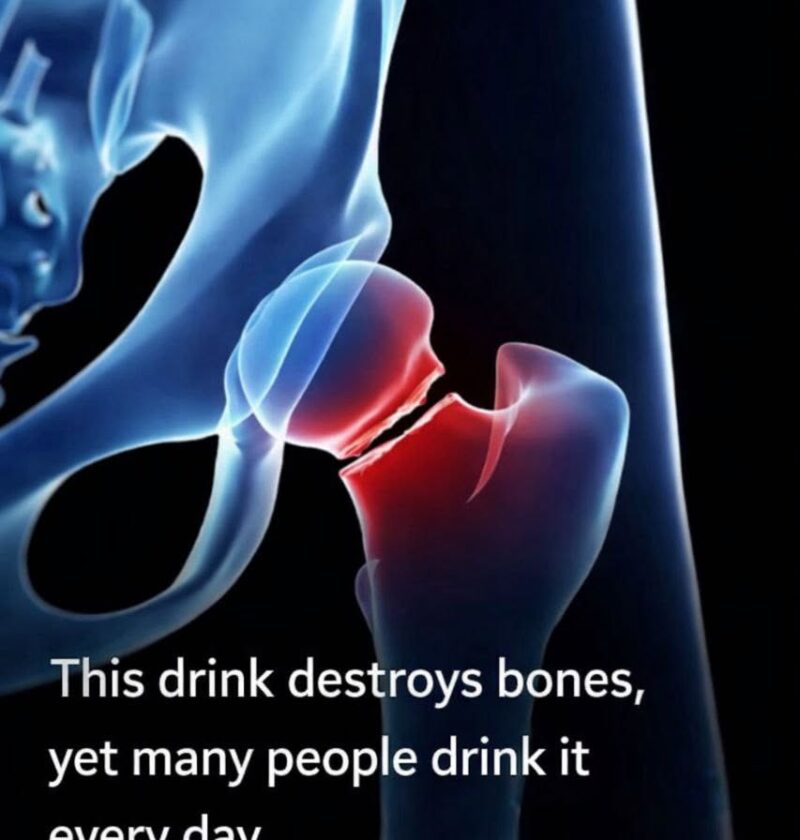
Strong bones depend on a balance of nutrients, hormones, physical activity, and healthy lifestyle habits. Some drinks, especially when consumed frequently and in large amounts, may negatively affect bone health by influencing calcium balance, nutrient intake, or overall diet quality.
Here are five drinks often discussed as potentially harmful to bone health:
1. Excessive Soft Drinks (Sodas)
Sugary sodas are often considered one of the least bone-friendly beverages because they can:
- Replace healthier drinks such as milk or fortified alternatives
- Add large amounts of sugar to the diet
- Be associated with lower overall nutrient intake when consumed frequently
Some research has also explored possible links between high soda intake and lower bone density, although the exact reasons are still debated.
2. Too Much Alcohol
Heavy alcohol consumption can affect bones by:
- Reducing the body’s ability to build new bone
- Interfering with calcium and vitamin D balance
- Increasing the risk of falls and fractures
Moderate intake may not have the same effects, but excessive drinking is a recognized risk factor for weaker bones.
3. High-Caffeine Drinks in Excess
Large amounts of caffeine may slightly increase calcium loss through urine. This is usually not a concern for people who get enough calcium, but very high caffeine intake combined with low calcium intake may affect bone health.
Examples include:
- Multiple cups of strong coffee daily
- Energy drinks
- Highly caffeinated beverages
4. Energy Drinks
Energy drinks may be concerning because they often contain:
- High caffeine levels
- High sugar content
- Ingredients that may encourage poor sleep or replace nutrient-rich beverages
Sleep quality and nutrition both play important roles in maintaining healthy bones.
5. Excessive Sweetened Fruit Drinks
Drinks labeled as fruit beverages, punches, or sweetened juices can contain large amounts of added sugar while providing fewer benefits than whole fruits. Frequent consumption may contribute to a diet pattern that does not support strong bones