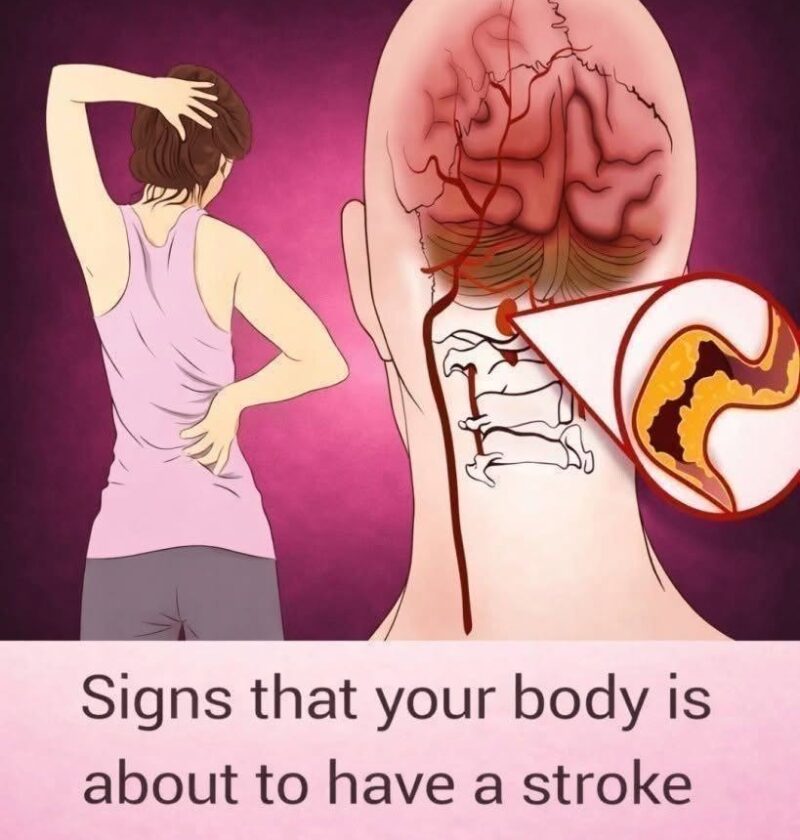
10 Early Warning Signs of a Stroke Everyone Should Know
A stroke happens when blood flow to part of the brain is interrupted or when a blood vessel in the brain bleeds. Fast recognition and treatment can greatly affect outcomes, so it is important to know the warning signs.
1. Sudden weakness or numbness on one side
- Weakness, tingling, or loss of feeling in the face, arm, or leg—especially on one side of the body—is a common warning sign.
2. Facial drooping
- One side of the face may feel weak or appear uneven when smiling.
3. Speech problems
- Slurred speech, difficulty finding words, or trouble understanding others can indicate a stroke.
4. Sudden confusion
- A person may become confused, disoriented, or unable to follow a conversation.
5. Sudden vision changes
- Blurred vision, double vision, or loss of vision in one or both eyes can occur.
6. Trouble walking or loss of balance
- Sudden dizziness, coordination problems, or difficulty walking may be a warning sign.
7. Severe, sudden headache
- A sudden, intense headache—especially one unlike previous headaches—may be a sign of stroke, particularly a bleeding stroke.
8. Difficulty swallowing
- Stroke can affect the muscles involved in swallowing, causing choking or trouble eating and drinking.
9. Sudden dizziness or unusual spinning sensation
- Vertigo or a feeling that the room is moving can occur, especially with certain types of stroke.
10. Sudden loss of strength or ability to perform normal tasks
- Trouble using a hand, writing, lifting objects, or doing familiar activities may be an early sign.
Remember FAST:
- F — Face: Ask the person to smile. Does one side droop?
- A — Arms: Ask them to raise both arms. Does one drift down?
- S — Speech: Ask them to repeat a simple sentence. Is speech unclear?
- T — Time: Call emergency services immediately if any signs appear.
Do not wait to see if symptoms improve. Even symptoms that disappear after a few minutes may be a transient ischemic attack (TIA), which can be a warning of a future stroke.
Risk factors that increase stroke risk include high blood pressure, high cholesterol, diabetes, smoking, irregular heart rhythm (such as atrial fibrillation), and lack of physical activity.